
Blog
What Is a Straight Cut Suit: Your Style Guide


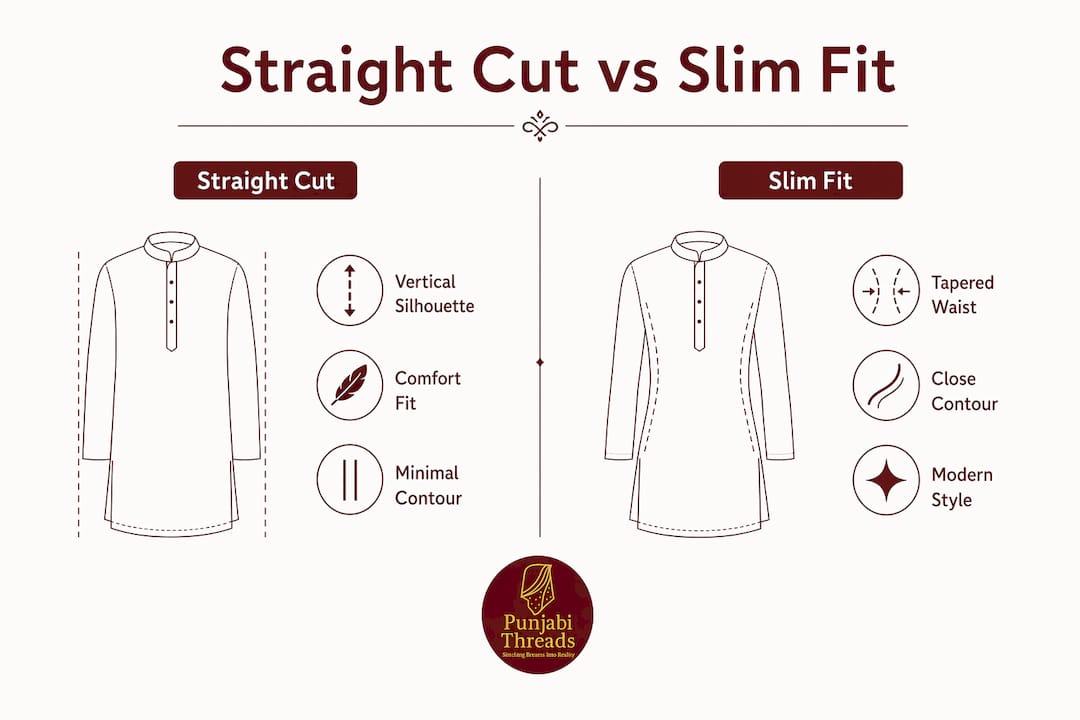
A straight cut suit is defined by a clean, vertical silhouette where the garment falls evenly from the shoulders to the hem with minimal flare or taper. This silhouette appears in two distinct contexts: ethnic wear like the salwar kameez and Western men’s suiting, particularly in trouser cut. Both share the same core principle. The garment creates a structured, modern outline that reads as polished without the formality of a slim-fit contour. If you are exploring suit styles for the first time, understanding this cut gives you a reliable foundation for every other comparison you will make.
What is a straight cut suit and how is it defined?
A straight cut suit is characterized by a clean silhouette that falls straight from shoulder to hem with minimal flare. The garment does not pull inward at the waist or fan outward at the hem. What you get is a smooth, uninterrupted vertical line from top to bottom. This is the defining feature that separates it from every other silhouette in both ethnic and Western fashion.
The term covers two distinct garment types. In ethnic wear, a straight cut suit refers to a salwar kameez or kurti where the top falls straight without gathering or flare. In Western menswear, the phrase describes trouser legs that maintain a consistent width from thigh to hem rather than tapering toward the ankle. Recognizing which context you are reading about prevents a great deal of confusion when shopping or researching.
The silhouette works because of proportion. When a garment falls in a straight line, it creates the visual impression of height and structure without requiring a close fit. This makes the straight cut one of the most forgiving silhouettes across body types, which is a significant practical advantage over cuts that depend on precise body contour.
What are the key features that define a straight cut suit?
The straight cut silhouette depends on several specific design choices working together. Understanding each one helps you identify a genuine straight cut garment versus one that is marketed as such but actually flares in motion.
The most important features include:
- Shoulder-to-hem fall: The garment hangs from the shoulder seam without pulling inward at the waist or flaring at the hem. This is the non-negotiable characteristic.
- Consistent width: Side seams run parallel or nearly parallel from underarm to hem. Any significant outward curve at the hip or hem moves the garment into A-line or Anarkali territory.
- Minimal embellishment at the midsection: Heavy embroidery bands, wide printed borders, or bold lateral detailing at the waist can disrupt the slimming effect of the straight cut silhouette. Clean or vertically oriented decoration preserves the line.
- Side slits: Most straight cut ethnic tops include side slits at the hem to allow movement without adding flare. This is a practical design solution that maintains the silhouette while improving wearability.
- Pairing with straight or fitted bottoms: A straight cut top worn over a churidar, straight-leg trouser, or fitted palazzo maintains the overall vertical line. Pairing it with a wide-leg pant can break the silhouette.
Pro Tip: Always evaluate a straight cut garment while moving, not just standing still. A hem that fans out during walking is not truly straight cut regardless of how it looks in a static photo or on a hanger.
Fabric plays a significant role in how well the silhouette holds. Structured fabrics like cotton, linen, georgette, and crepe maintain the straight fall better than soft, drapey fabrics that cling or collapse. A neat, streamlined silhouette depends as much on fabric weight as it does on cut.
What are the benefits of wearing straight cut suits?
The straight cut suit has maintained its relevance across decades because it solves real problems that other silhouettes create. Here are the core benefits in order of practical importance:
- Flattering across body types. The vertical line creates the visual impression of a taller, leaner frame. Unlike slim-fit cuts that highlight every contour, the straight cut skims the body without clinging, making it one of the most body-neutral silhouettes available.
- Versatility across occasions. Straight cut suits are preferred for office and everyday wear due to their structured, low-volume silhouette. The same garment that works for a weekday meeting can transition to a casual dinner with a change of footwear and accessories.
- Simplified styling. Less volume means fewer decisions. You do not need to balance a dramatic silhouette with carefully chosen accessories. A straight cut suit reads as complete with minimal effort.
- Comfort without sacrificing structure. Ethnic straight cut suits in particular offer significant freedom of movement. The side slits and relaxed fit through the body mean you are not restricted the way a tailored slim-fit jacket can restrict shoulder movement.
- Clean photographic appearance. The silhouette reads clearly in photographs, which matters for weddings, festivals, and professional events where you will be photographed. A neat silhouette photographs cleanly without distortion or visual noise.
- Low maintenance. Straight cut garments are easier to press and store than heavily structured or embellished alternatives. The clean lines recover quickly after folding or packing.
The combination of comfort, versatility, and visual clarity explains why the straight cut remains the default choice for professional and everyday ethnic wear across South Asian fashion communities in Australia and globally.
How does a straight cut suit compare with tailored or slim-fit suits?
The straight cut and the slim-fit or tailored suit represent two different philosophies about how a garment should relate to the body. Understanding the difference helps you choose the right cut for your build, occasion, and personal preference.
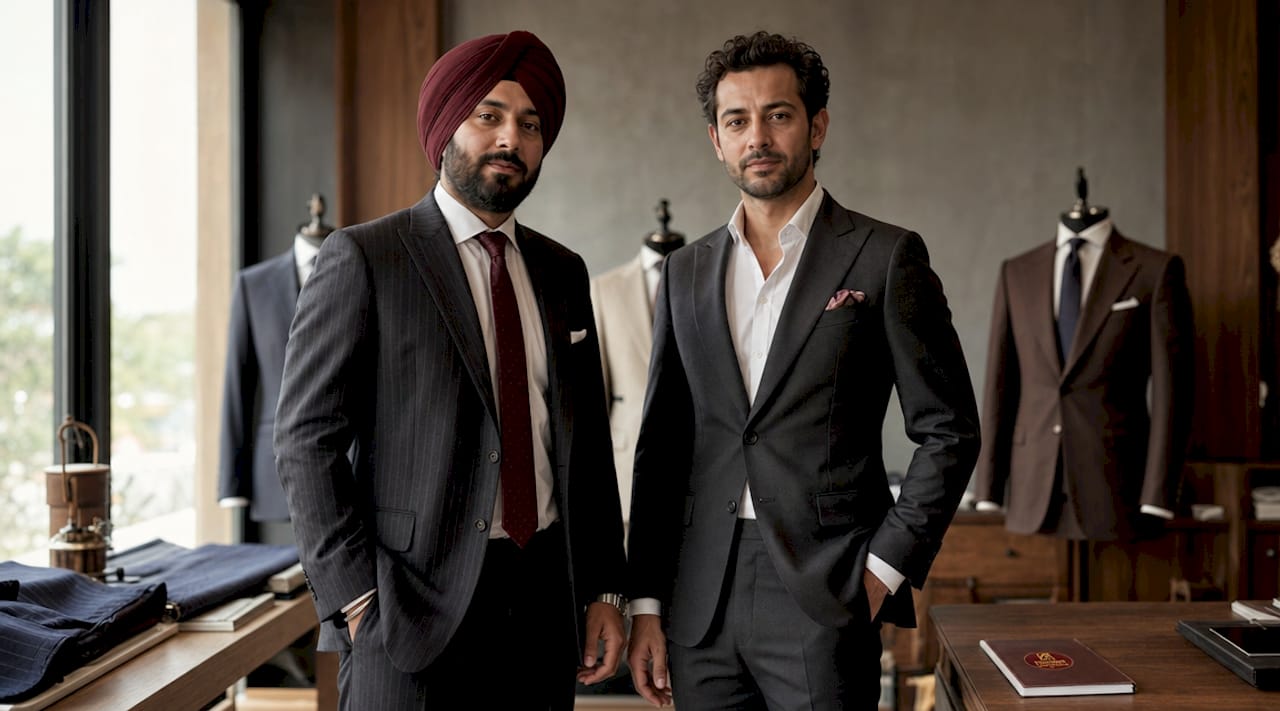
A slim-fit or tailored suit follows the body’s contour closely. It suppresses at the waist, narrows through the chest, and tapers at the trouser hem. The result is a sharp, body-conscious silhouette that reads as highly formal and fashion-forward. A straight cut suit, by contrast, maintains a consistent width and does not attempt to mirror the body’s shape. It creates structure through line rather than through fit.
| Feature | Straight cut suit | Slim-fit or tailored suit |
|---|---|---|
| Silhouette | Clean vertical line, consistent width | Contoured, suppressed waist, tapered hem |
| Body type suitability | Broad range, forgiving across builds | Works best on lean, proportional frames |
| Occasion | Office, everyday, casual formal | Formal events, business meetings, weddings |
| Comfort level | High, relaxed through body | Moderate, restricted at shoulders and thighs |
| Styling complexity | Low, pairs easily with most bottoms | Higher, requires precise pairing |
| Ethnic equivalent | Straight cut salwar kameez | Anarkali, churidar with fitted kameez |
Neither straight nor slim cut is universally correct. The right choice depends on individual build, height, and posture. This is a point that most fashion articles skip over in favor of trend-driven recommendations.
The comparison with Anarkali suits in ethnic wear is particularly instructive. An Anarkali features a flared skirt-like bottom that creates volume and drama. A straight cut ethnic suit creates the opposite effect: minimal volume, clean lines, and a modern restraint that reads as contemporary rather than festive. Both are appropriate for different occasions, but they are not interchangeable.
Pro Tip: Tailoring based on body proportions produces better results than choosing a cut based on trend labels. A straight cut suit adjusted to your specific measurements will always outperform an off-the-rack slim-fit that approximates your size.
How to wear and style a straight cut suit
Styling a straight cut suit correctly means working with the silhouette rather than against it. The goal is to maintain the vertical line from top to bottom while adding enough visual interest to avoid looking flat.
- Choose bottoms that continue the vertical line. Straight-leg trousers, churidars, and fitted palazzos all work well. Avoid wide-leg pants or heavily gathered bottoms that add volume below the hem of the top and break the silhouette.
- Match fabric weight across the outfit. A structured cotton straight cut top pairs well with a cotton or linen trouser. Mixing a heavy structured top with a lightweight, drapey bottom creates a visual imbalance.
- Use vertical prints and embellishments. Vertical stripes, elongated embroidery panels, and border detailing along the front opening all reinforce the straight line. Bold lateral detailing like wide horizontal bands at the hip or hem works against the slimming effect.
- Keep accessories minimal and vertical. Long necklaces, dupatta draped straight down the front, and slim belts worn at the natural waist all complement the silhouette. Avoid wide statement belts that visually cut the garment in half.
- Select footwear that extends the leg line. Pointed or almond-toe shoes, heeled sandals, and slim boots all extend the vertical effect. Chunky platform footwear adds visual weight at the bottom and shortens the perceived leg line.
- Layer thoughtfully for seasonal wear. A fitted blazer or structured shawl over a straight cut ethnic suit adds warmth without disrupting the silhouette. Avoid oversized outerwear that obscures the clean line of the garment underneath.
For men specifically, moderate trouser cuts offer the best balance for most builds, avoiding extremes of slimness or excess width. A straight cut trouser with a clean break at the shoe is the most reliable choice for professional settings. Pair it with a structured blazer in the same or complementary fabric for a cohesive result.
You can explore the full range of salwar kameez silhouettes to see how the straight cut compares with other traditional cuts in practical terms.
Key takeaways
A straight cut suit delivers the most consistent results when the garment is chosen based on individual proportions and styled to reinforce the vertical silhouette rather than interrupt it.
| Point | Details |
|---|---|
| Core definition | The garment falls straight from shoulder to hem with no flare or taper. |
| Best fabric choices | Structured fabrics like cotton, linen, georgette, and crepe hold the silhouette best. |
| Body type suitability | The straight cut suits a broad range of builds due to its forgiving, non-contoured fit. |
| Styling rule | Pair with fitted or straight bottoms and vertical embellishments to maintain the line. |
| Fit over trend | Custom tailoring to your proportions outperforms any trend-driven cut selection. |
Why the straight cut is the cut I recommend most often
After years of working with customers at Punjabithreads who come in unsure of what they want, I have noticed a consistent pattern. The people who leave most satisfied are almost always the ones who chose a straight cut. Not because it is the most dramatic or the most fashion-forward option, but because it works reliably across the widest range of situations.
The most common misconception I encounter is that a straight cut suit is a compromise. People assume it is what you choose when you cannot pull off a slim-fit or when you want something safe. That reading is wrong. The straight cut is a deliberate choice. It prioritizes structure, comfort, and longevity over a silhouette that depends on a specific body moment in time.
I have also seen the opposite mistake: people who choose a slim-fit because they believe it will make them look sharper, without accounting for how restrictive it becomes after a full day of wear. At a wedding or festival that runs eight hours, comfort is not secondary. It is the difference between enjoying the event and enduring it.
The straight cut suits most occasions better than people expect. It works for office wear, casual outings, festivals, and semi-formal events. The only setting where I would genuinely recommend a different cut is a highly formal occasion where a tailored, contoured suit is the clear dress code expectation. Outside of that, the straight cut is the more practical and more forgiving choice for most people most of the time.
— Punjabi
Find your perfect straight cut suit at Punjabithreads
Punjabithreads offers both ready-made and custom-stitched suits for customers who want a straight cut that actually fits their measurements rather than approximating them. Every garment is stitched to your specific dimensions, which is the only reliable way to get the clean vertical line that defines this silhouette.
The Punjabithreads collection includes straight cut ethnic suits in cotton, georgette, and crepe across a range of prints and embellishments suited to everyday wear, festivals, and weddings. Browse the full Punjabi suits range or visit the Melbourne boutique for a personalized fitting consultation. If you already have fabric, the team can stitch it to your measurements with the same precision applied to every garment in the collection.
FAQ
What is the straight cut suit definition in simple terms?
A straight cut suit is a garment where the fabric falls in a clean vertical line from the shoulders to the hem without flaring outward or tapering inward. The silhouette is consistent in width from top to bottom.
Who should wear a straight cut suit?
The straight cut suits a broad range of body types because it does not rely on close contour to create structure. It is particularly effective for individuals who want a polished, modern look without the restriction of a slim-fit garment.
What are the best fabrics for straight cut suits?
Structured fabrics like cotton, linen, georgette, and crepe hold the straight cut silhouette best. Soft, drapey fabrics tend to collapse or cling, which undermines the clean vertical line the cut depends on.
How is a straight cut suit different from a slim-fit suit?
A slim-fit suit follows the body’s contour with a suppressed waist and tapered trouser. A straight cut suit maintains a consistent width throughout, creating structure through line rather than through fit. The straight cut is more forgiving and more comfortable for extended wear.
How do I confirm a garment is truly straight cut before buying?
Move in the garment before purchasing. A hem that fans outward during walking is not a true straight cut regardless of how it appears on a hanger or in a static photograph.


