

Blog
Why Cotton Suits for Summer Wear: The Real Science


Summer heat has a way of making even the most carefully chosen outfit feel like a mistake by noon. If you have ever wondered why cotton suits for summer wear keep showing up as the top recommendation while polyester blends and synthetics line the racks, the answer goes much deeper than tradition. Cotton’s performance in warm weather comes down to fiber structure, moisture physics, and skin health science. This article breaks down exactly what makes cotton the smart choice for summer suits, what limitations you should plan around, and how to choose the right cotton construction for your specific needs.
Table of Contents
- Key Takeaways
- Why cotton suits for summer wear actually work
- How weave and weight affect summer comfort
- Skin health and cotton suits in hot weather
- Practical tips for choosing and wearing cotton suits in summer
- My take on what people keep getting wrong about cotton suits
- Get your perfect summer suit from Punjabithreads
- FAQ
Key Takeaways
| Point | Details |
|---|---|
| Cotton breathability is structural | Porous cotton fibers create air channels that actively dissipate body heat during summer wear. |
| Weave type changes everything | Twill weave cotton outperforms plain weave for moisture transport, making it better for suits in humid conditions. |
| Skin health is a real benefit | Cotton reduces friction-related rashes and heat irritation compared to synthetic fabrics in hot weather. |
| Weight and GSM matter | Lighter GSM cotton fabrics feel noticeably cooler and are the right choice for peak summer temperatures. |
| Know when to blend | At temperatures above 25°C with high humidity, a cotton-linen blend may outperform 100% cotton for all-day comfort. |
Why cotton suits for summer wear actually work
Most people assume all natural fabrics perform about the same in heat. They do not. Cotton has a specific fiber architecture that gives it a real mechanical advantage in warm weather, and understanding it helps you make better choices when you shop.
Cotton fibers are porous at the microscopic level. That porosity creates tiny air pockets throughout the fabric, and those pockets do two jobs simultaneously. First, they allow air to circulate and carry body heat away from your skin rather than trapping it against you. Second, they create pathways for water vapor to escape, so sweat does not pool and sit on your skin. Cotton’s breathability has been measured at approximately 270 mm/s in pristine fabric samples, which translates to a noticeably cooler feel compared to tightly woven synthetic alternatives.
The second mechanism is moisture absorption. Cotton is hydrophilic, meaning it actively draws moisture toward itself. It can absorb up to 27 times its weight in water, which means sweat gets pulled away from your skin and held in the fabric, where it can then evaporate. That evaporation process is what produces the genuine cooling effect you feel when wearing cotton on a hot day.
There is one real limitation worth knowing upfront. Cotton is slower to dry than most synthetic fabrics. In very high humidity, where evaporation slows down naturally, cotton can hold onto absorbed moisture and start to feel damp and heavy. This is not a deal-breaker for most situations, but it does affect which cotton construction you should choose.
Here is what cotton does particularly well in summer:
- Allows air circulation through porous fiber channels, reducing heat buildup under a suit jacket
- Absorbs perspiration before it reaches visible saturation, keeping you looking composed
- Stays soft against skin even when slightly damp, unlike many synthetics that stiffen or cling uncomfortably
- Maintains its shape through a full day of wear better than loosely constructed linen alternatives
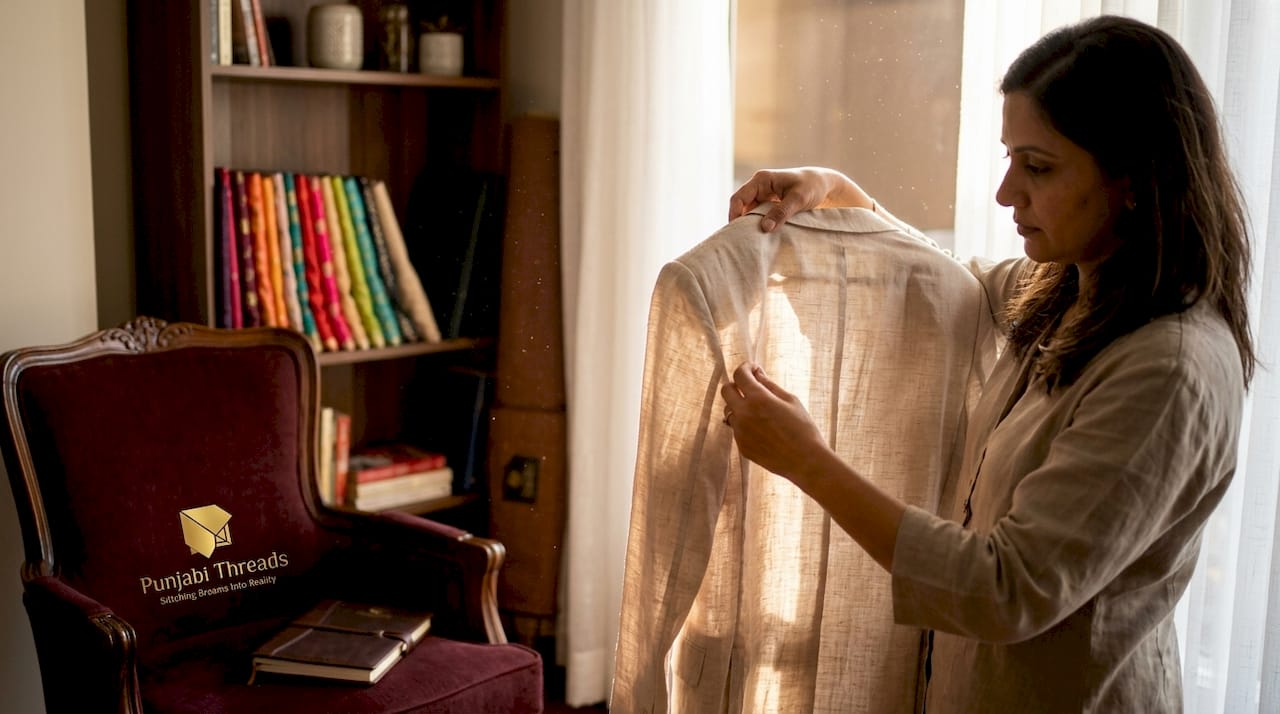
Pro Tip: When shopping for a summer cotton suit, run the fabric through your fingers and hold it up to the light. A slightly open, almost gauzy look is a sign of lower GSM and better airflow. Dense, opaque cotton fabric will feel noticeably heavier by midday.
How weave and weight affect summer comfort
The benefits of cotton in summer are not fixed. They change significantly depending on how the fabric is constructed. Two cotton suits can feel completely different in the same heat, and the difference almost always comes down to weave structure and fabric weight.
Fabric weight is measured in grams per square meter, or GSM. A lightweight summer cotton suit typically falls between 150 and 220 GSM. Go above that range and you are working against yourself in warm weather. Heavier cotton traps heat simply because there is more fiber blocking airflow, regardless of how breathable the individual fibers are. The cooling performance of cotton suits depends far more on fabric construction than fiber quality alone.
Weave structure is equally important. Plain weave is the most common construction you will find, but it is not the best choice for summer suits. Twill weave, which creates the diagonal rib pattern you see in fabrics like chino or gabardine, performs better in hot conditions. Twill weave cotton creates angular floats in the fabric structure that form better capillary channels for moisture movement. In practical terms, sweat moves through a twill weave suit more efficiently, which keeps the cooling cycle working longer before you feel wet.
Here is how common summer fabric choices compare:
| Fabric | Breathability | Moisture Management | Best Condition |
|---|---|---|---|
| Lightweight cotton (twill) | High | Good | Moderate summer heat, dry to mild humidity |
| Heavyweight cotton | Low to moderate | Moderate | Cool summer days only |
| Linen | Very high | Excellent | Peak heat, high humidity |
| Cotton-linen blend | High | Very good | Hot and humid conditions |
| Polyester | Low | Poor | Not recommended for summer |
Cotton suits are recommended primarily for moderate summer temperatures, roughly in the low to mid 20s Celsius. When temperatures climb above 25°C consistently or humidity stays high, a cotton-linen blend or pure linen becomes the more practical choice for all-day wear. Knowing this boundary helps you get the right suit for your actual climate rather than just the most popular recommendation.
Pro Tip: If you are ordering a custom cotton suit for Melbourne summers, ask specifically for a twill weave construction in 180 to 200 GSM. That combination gives you the best of both worlds: enough structure to hold a tailored silhouette and enough openness to manage heat through a full event or workday.
Skin health and cotton suits in hot weather
This is where the advantages of cotton in warm weather go beyond comfort into something more medically relevant. Synthetic fabrics feel fine in air conditioning. Put them in genuine summer heat and the friction and moisture buildup becomes a skin health problem, not just a discomfort issue.
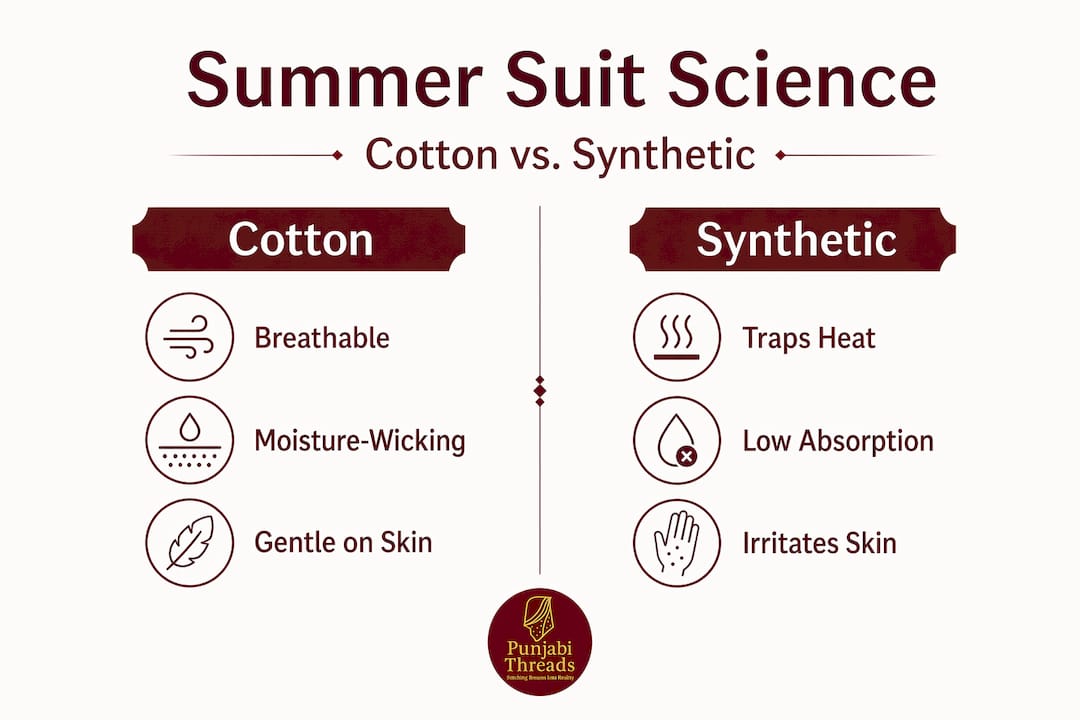
Breathable natural fibers like organic cotton reduce the risk of skin fold rashes, heat irritation, and contact dermatitis compared to synthetic alternatives. When sweat cannot escape a fabric, it pools against skin, and prolonged moisture combined with movement creates friction. That friction is what causes heat rash and skin fold irritation, conditions that are genuinely common in hot and humid climates when people wear poorly chosen fabrics.
Cotton addresses this through several mechanisms:
- Its breathability prevents the moisture saturation that triggers friction-based skin damage
- Its softness reduces mechanical irritation at areas of movement like underarms, inner thighs, and the waist
- Organic cotton specifically removes chemical residues from processing, making it suitable for people with sensitive skin or eczema-prone conditions
- Dermatology experts recommend natural fibers like organic cotton as a preventive choice for anyone who experiences recurring heat rashes in summer
For those wearing traditional suits like Punjabi or Pakistani styles through long events in warm weather, this is not a minor detail. A suit that causes skin irritation by hour three of a wedding is a real problem. The fabric choice matters more than most people realize until it is too late to change.
You can also find this logic applied in children’s cotton garments. Parents choosing organic cotton for kids in summer are making the same skin-protective decision, just for more sensitive skin.
Practical tips for choosing and wearing cotton suits in summer
Understanding cotton’s properties is only useful if it translates into better decisions at the point of purchase and in your daily routine. Here is how to get the most out of cotton suits for summer wear:
-
Choose lighter colors. Darker colors absorb more solar radiation. White, cream, pale gray, and light pastels reflect heat before it even reaches the fabric. This makes a measurable difference in how warm you feel outdoors.
-
Prioritize open weave constructions. When examining fabric before buying, look for a slightly loose, open construction rather than a dense one. The looser the weave, the better the airflow.
-
Rotate your suits. Cotton absorbs moisture through a full day of wear. Wearing the same suit two days in a row without airing it out traps residual moisture and accelerates the breakdown of the fibers. Let each suit hang open in a well-ventilated area for at least 24 hours between wears.
-
Pair with moisture-wicking underlayers. A lightweight undershirt made from a performance fabric creates a secondary moisture management layer, pulling sweat away from your skin before it saturates the suit fabric. This extends how long your cotton suit stays fresh-feeling.
-
Consider blends for extreme heat. When the heat index climbs or humidity stays high all day, a cotton-linen blend will perform better than 100% cotton. You get cotton’s softness and structure combined with linen’s superior heat dissipation.
Pro Tip: If you are getting a cotton suit custom stitched, ask your tailor to keep the lining minimal or use a half-lining construction. Full lining in a summer suit cancels out most of the breathability benefits of the cotton shell fabric.
My take on what people keep getting wrong about cotton suits
I have spent years working with customers who come in convinced that fabric is a secondary concern after color and silhouette. And I understand the instinct. When you are choosing something for a wedding or a festival, you think about how you will look in the photos, not about what the fabric’s GSM is.
But here is what I have seen consistently. The customers who come back unhappy are almost never unhappy about the style. They are unhappy because they were uncomfortable for six hours and could not enjoy the event. That is a fabric problem, not a tailoring problem.
The other thing I see people overlook is that moisture management is not just about the suit fabric in isolation. It is about the whole system: the underlayer, the fit, how much room there is for air to move between the fabric and the body. A cotton suit cut too slim eliminates the air gap that makes cotton breathable. Advanced cotton engineering now produces directional moisture transport fabrics that maintain breathability even after multiple washes, but even standard cotton performs better when the fit has room to breathe.
My honest advice is this: get your cotton suit custom stitched. Off-the-rack sizing forces compromises in fit that affect airflow in the exact spots where heat builds up. When you can specify the fabric weight, the weave, the lining construction, and the fit, you are not just getting a better-looking suit. You are getting a genuinely more comfortable one.
— Punjabi
Get your perfect summer suit from Punjabithreads
At Punjabithreads, every suit starts with your measurements and your climate in mind. Whether you are dressing for a Melbourne wedding in February or an outdoor festival in peak summer, the team helps you select the right cotton weight, weave, and construction to keep you comfortable through every hour of the event. You choose the fabric, the style, and the fit. They handle the rest with the kind of craftsmanship that customers across Melbourne have trusted for years. Explore the full range of cotton suits for summer and see what custom tailoring actually looks like when comfort is built in from the start. If you are still deciding between custom and ready-made, this comparison of suit options will help you make the right call.
FAQ
Is cotton good for hot weather?
Yes. Cotton’s porous fiber structure allows air to circulate and carry body heat away, while its moisture-absorbing properties support evaporative cooling. It performs best in moderate summer heat with low to medium humidity.
How does cotton compare to polyester in summer?
Cotton significantly outperforms polyester in summer. Polyester is a synthetic fiber with low breathability that traps heat and moisture against the skin. Cotton allows airflow and absorbs sweat, making it far more comfortable in warm conditions.
What cotton weave is best for summer suits?
Twill weave in a lightweight GSM (roughly 170 to 210 GSM) is the best choice for summer suits. Twill creates better moisture transport channels than plain weave, improving how quickly sweat moves away from the skin.
Can cotton suits cause skin problems in summer?
Well-chosen cotton suits actually reduce skin problems in summer. Organic cotton in particular lowers the risk of heat rash and friction-related irritation because it is breathable, soft, and free of chemical residues that can aggravate sensitive skin.
When should you choose linen over cotton for a summer suit?
When temperatures consistently exceed 25°C and humidity is high, linen or a cotton-linen blend outperforms 100% cotton. Cotton is better suited to moderate summer conditions, while linen’s superior heat dissipation makes it the stronger choice in extreme heat.


