
Blog
Kids Indo-Western Outfit: What Every Parent Should Know

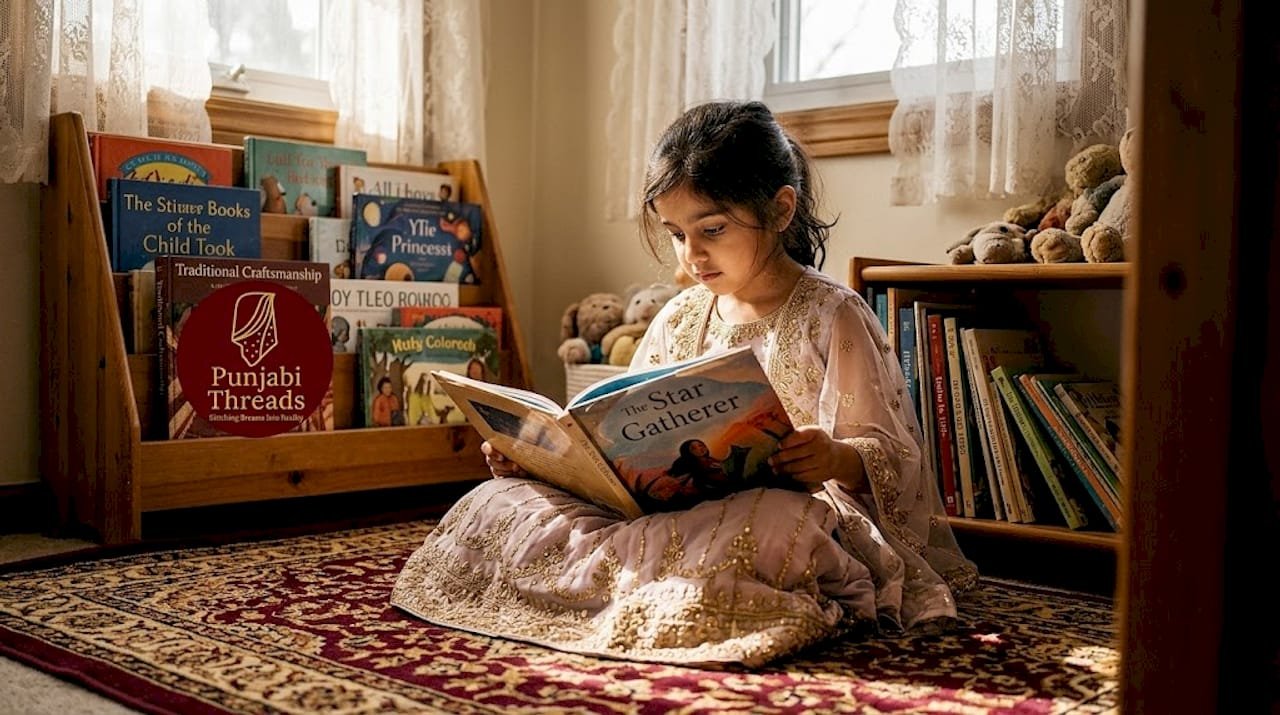
If you have ever searched for festive attire for your child and felt confused by the term “Indo-western outfit,” you are not alone. Many parents assume a kids indo-western outfit is simply any casual pairing of an Indian top with Western bottoms. That is a common misconception. A true Indo-western outfit for children is a deliberate design fusion, where traditional Indian craftsmanship meets Western tailoring to create something wearable, stylish, and culturally expressive. For parents choosing outfits for weddings, Diwali, Eid, or school cultural days, understanding this distinction matters more than you think.
Table of Contents
- Key takeaways
- What a kids Indo-western outfit actually is
- Choosing the right Indo-western outfit for your child
- Popular styles and when to wear them
- Styling tips and pitfalls to avoid
- My honest take on kids’ Indo-western wear
- Explore Indo-western kids wear at Punjabithreads
- FAQ
Key takeaways
| Point | Details |
|---|---|
| Indo-western is intentional fusion | It combines Indian fabrics and embroidery with Western silhouettes by design, not by accident. |
| Comfort drives the best choices | Breathable fabrics and functional construction keep kids wearing their outfits all event long. |
| One element should lead | Let either the Indian or Western design element anchor the look to avoid a competing visual clash. |
| Sizing matters more than age | Always measure your child rather than relying on age-based sizing for tailored and structured pieces. |
| Popular styles for 2026 are versatile | Cape lehengas, kurta-jogger sets, and dhoti shorts suit everything from weddings to cultural school days. |
What a kids Indo-western outfit actually is
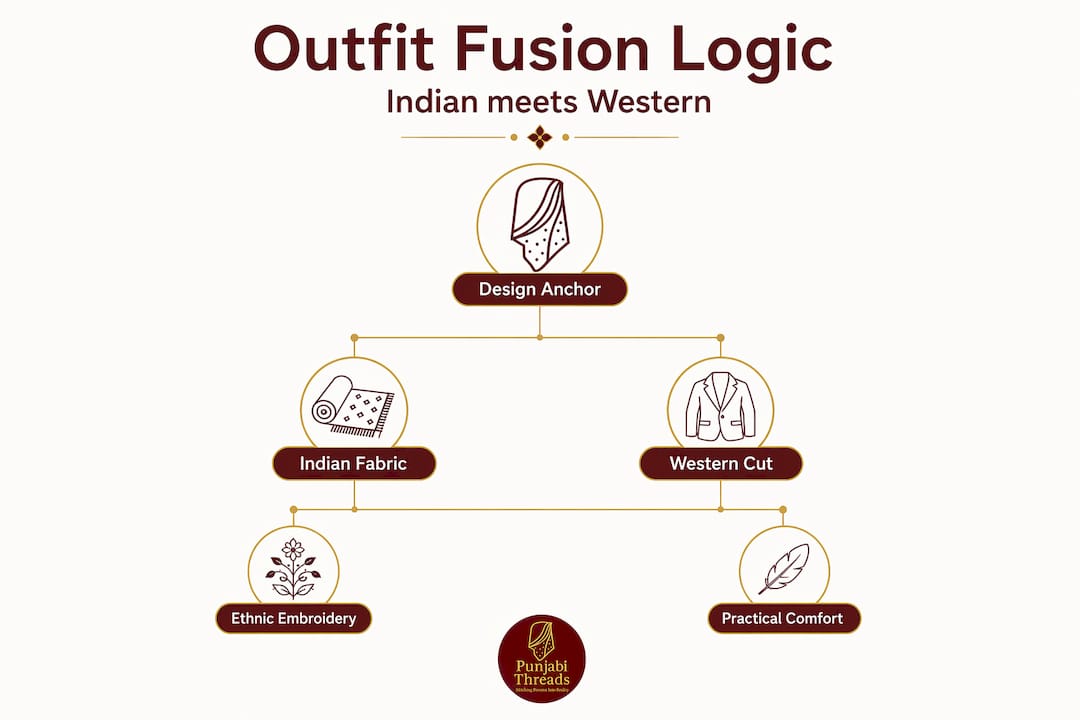
The phrase gets used loosely, so let’s set the record straight. Indo-western fashion blends traditional Indian elements like handloom fabrics and ethnic embroidery with Western tailoring and comfort-driven design. That makes it fundamentally different from simply throwing a kurta over jeans.
Think of it this way. A thoughtfully designed Indo-western outfit starts with Indian craft as its soul. Silk, chanderi, or cotton with block prints, zari borders, or hand embroidery forms the visual identity. Then Western design principles step in: structured cuts, tapered legs, contemporary silhouettes, or sporty waistbands. The result is an outfit that reads as culturally rooted but feels modern.
For children specifically, the design intent is even more focused. Popular kids Indo-western styles in 2026 include:
- Cape lehengas: A skirt paired with a cape overlay instead of a traditional dupatta, giving freedom of movement while looking festive.
- Kurta-jogger sets: A printed or embroidered kurta matched with tailored jogger-style pants, combining Indian surface design with sporty comfort.
- Jacket-draped dresses: A Western dress silhouette with an Indian embroidered jacket layered over it.
- Dhoti-style shorts: Structured shorts with a draped front panel that nods to the traditional dhoti without restricting a child’s stride.
These are not random mashups. Each style has a clear design anchor, either the Indian element leads and the Western cut supports it, or vice versa.
Pro Tip: When shopping for kids ethnic wear, look for garments where the fabric or embroidery screams “Indian craftsmanship” while the construction whispers “Western comfort.” If both are competing loudly, the outfit loses its visual balance.
Choosing the right Indo-western outfit for your child
Style is the starting point. Comfort is the deciding factor. Children at festivals and weddings are running, sitting on floors, eating, dancing, and doing everything except standing still for photos. The outfit has to keep up.
Here is what to prioritize when selecting Indo-western clothing for kids:
-
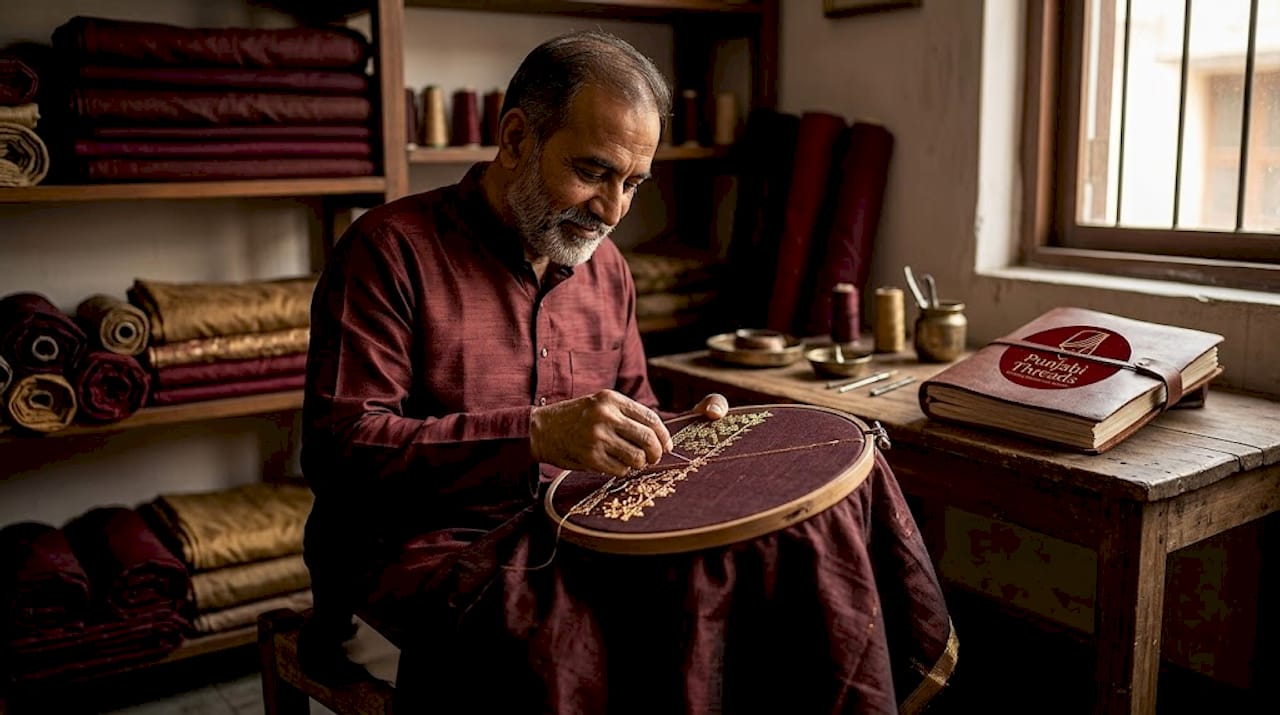
Fabric first. GOTS-certified organic cotton is hypoallergenic and breathable for everyday wear, while khadi works well for traditional occasions with its natural texture. Linen blends are another strong option for warmer climates. Avoid polyester-heavy blends, which trap heat and cause irritation during long events.
-
Functional construction. Attached jacket-kurta sets with elastic waists reduce dressing fuss without sacrificing the layered look parents love. Two-piece constructions for ages two through eleven are popular precisely because they combine aesthetics with ease. A child who can dress themselves quickly is a child who stays in their outfit longer.
-
Embellishment placement. This is the detail most parents overlook. Heavy embroidery on the back and sleeves causes discomfort and leads kids to remove their festive clothes prematurely. The best designs concentrate embellishment on the front panels only, keeping the back and sleeves plain.
-
Measure, do not guess. Sizing Indo-western outfits requires attention to actual body measurements rather than age alone, especially for pieces with structured jackets or tailored cuts. A size seven in one brand can fit like a size nine in another.
Pro Tip: Before any big event, dress your child in their Indo-western outfit for a full hour at home. Let them sit, crouch, and move freely. You will spot any fit or comfort issues before it matters.
Popular styles and when to wear them
Choosing a style becomes much easier when you match the outfit to the occasion. Here is a quick comparison of the most-searched traditional kids outfits in the Indo-western category for 2026:
| Style | Best for | Age range | Key feature |
|---|---|---|---|
| Cape lehenga | Weddings, Diwali parties | Girls 4 to 12 | Cape replaces dupatta for easy movement |
| Kurta-jogger set | Eid, cultural school days, festivals | Boys and girls 2 to 11 | Sporty comfort with ethnic print |
| Dhoti shorts set | Sangeet, family functions | Boys 3 to 10 | Traditional drape without mobility limits |
| Coordinated co-ord set | Casual cultural events, Navratri | Boys and girls 4 to 14 | Matching prints create polished look |
| Jacket-draped dress | Weddings, reception parties | Girls 5 to 14 | Western silhouette with Indian embroidery |
Pastel palettes are particularly strong in 2026, with sage green, blush pink, and soft ivory replacing the heavy jewel tones traditionally associated with festive wear. Gender-neutral styles in coordinated prints are also growing in demand, giving parents more flexibility when dressing siblings together.
For school cultural days specifically, kurta-jogger sets win on pure practicality. The child looks festive and culturally connected without needing a parent to help adjust anything throughout the day.
Styling tips and pitfalls to avoid
Getting the outfit right is half the work. Styling it well for your child completes the picture. The success of Indo-western fashion depends on balancing tradition with modern tailoring to create looks that work in real life, not just on a runway.
Here are the most common styling mistakes parents make, and how to sidestep them:
- Letting both elements compete. A heavily embroidered kurta paired with elaborately printed joggers creates visual noise. Let one element lead. If the kurta has detailed embroidery, keep the bottoms in a solid tone.
- Over-accessorizing. Children are not miniature adults. Heavy necklaces, stacked bangles, and large maang tikas look out of place and cause discomfort. One or two simple accessories, a pair of jhumkas or a thin bracelet, are enough.
- Copying runway looks. Indo-western designers emphasize curated, age-appropriate fusion over overloaded runway-inspired styles for children. What photographs beautifully on a model does not always survive a three-year-old’s energy level.
- Wrong footwear. Juttis and kolhapuris pair naturally with most Indo-western styles. For younger children who need to run and play, festival-ready footwear with a flat sole and secure strap is far more practical than embellished heeled sandals.
Pro Tip: If your child resists wearing festive clothes, let them pick the color or one accessory. Children who have a say in their outfit are significantly more cooperative about wearing it.
Subtle mirror work and restrained gold detailing contribute to achievable elegance without the sensory overload that makes kids uncomfortable. Less really is more here. Parents also often overlook the traditional vs. modern distinction when shopping, but it shapes everything from fabric choice to silhouette.
My honest take on kids’ Indo-western wear
I have worked with families across Melbourne looking for festive outfits for their children, and I see the same pattern repeatedly. Parents arrive overwhelmed by choices and leave with something that looks stunning on the hanger but causes their child distress within an hour of wearing it.
The outfits that work are always the ones where the designer thought about a moving, breathing, eating child first. I genuinely believe that the most beautifully crafted Indo-western piece is worthless if the child pulls at it, cries about the back embroidery scratching them, or refuses to wear it past the first photo.
What I have learned is this: parents increasingly prefer Indo-western outfits because they allow children to express cultural identity without the physical restrictions that often come with purely traditional wear. That preference is sound. But it only pays off when you buy with the child’s comfort as the primary filter, not the look alone.
My advice is to skip any outfit where the jacket cannot be removed easily, the waistband is rigid, or the embroidery covers the full back panel. None of those things make the outfit more beautiful. They just make it harder to wear. Intentional styling, one anchor element and one supporting element, always beats a crowded look. When you get it right, an Indo-western outfit becomes something your child actually wants to wear again. That is the real measure of a good festive garment.
— Punjabi
Explore Indo-western kids wear at Punjabithreads
If you are ready to move from research to actually dressing your child beautifully for their next occasion, Punjabithreads is worth your time. Based in Melbourne, Punjabithreads offers personalized fitting and custom stitching so that every garment matches your child’s actual measurements, not a generic size chart.
The kids wear collection covers the styles covered in this article, from kurta-jogger sets to festive jacket combinations, all made with breathable fabrics and construction that keeps comfort central. For parents who want more guidance before buying, the Melbourne kids clothing guide walks you through what to look for and how to get the right fit the first time. Custom alterations are also available, which means you are not stuck with a garment that is almost right. You can make it exactly right.
FAQ
What is a kids Indo-western outfit?
A kids Indo-western outfit is a garment that deliberately combines Indian design elements, such as ethnic embroidery, traditional fabrics, or cultural motifs, with Western silhouettes and modern tailoring. It is designed to be both culturally expressive and practically comfortable for children at festive events.
How is Indo-western different from traditional Indian kids wear?
Traditional Indian kids wear follows established garment structures like full lehengas, sherwanis, or salwar kameez with few Western design influences. Indo-western wear adapts these cultural roots into more contemporary silhouettes, like kurta-jogger sets or cape lehengas, prioritizing comfort and modern aesthetics alongside heritage.
What fabrics work best for kids Indo-western outfits?
Organic cotton, linen blends, and khadi are the best fabric choices for children’s Indo-western wear. These materials are breathable, skin-friendly, and appropriate for extended events like weddings and festivals where children need to move freely.
How do I find the right size for a kids Indo-western outfit?
Always use your child’s actual body measurements rather than their age when selecting tailored or structured Indo-western pieces. Check chest, waist, and height measurements against the brand’s size chart, and prioritize garments with elastic waistbands for a more forgiving fit.
Which Indo-western styles suit young children for weddings and festivals?
Kurta-jogger sets and cape lehengas are among the most practical and visually appealing options for young children at weddings and festivals. Both styles offer cultural richness through fabric and embellishment while allowing unrestricted movement throughout the event.


