
Blog
Types of Salwar Kameez Cuts: Your 2026 Style Guide


Types of salwar kameez cuts are the distinctive silhouettes and structural variations that define how this iconic ethnic ensemble looks, moves, and fits on the body. From the sweeping flare of an Anarkali to the tailored precision of a Churidar, each cut carries its own personality, comfort profile, and occasion suitability. Whether you are dressing for a Melbourne wedding, an office cultural event, or a casual family gathering, the cut you choose shapes the entire impression. This guide breaks down every major salwar kameez style so you can make a confident, informed decision.
1. Types of salwar kameez cuts: the full breakdown
The six cuts below represent the most popular salwar kameez silhouettes worn across South Asian communities today. Each has a distinct structure, fabric preference, and ideal occasion.
Anarkali
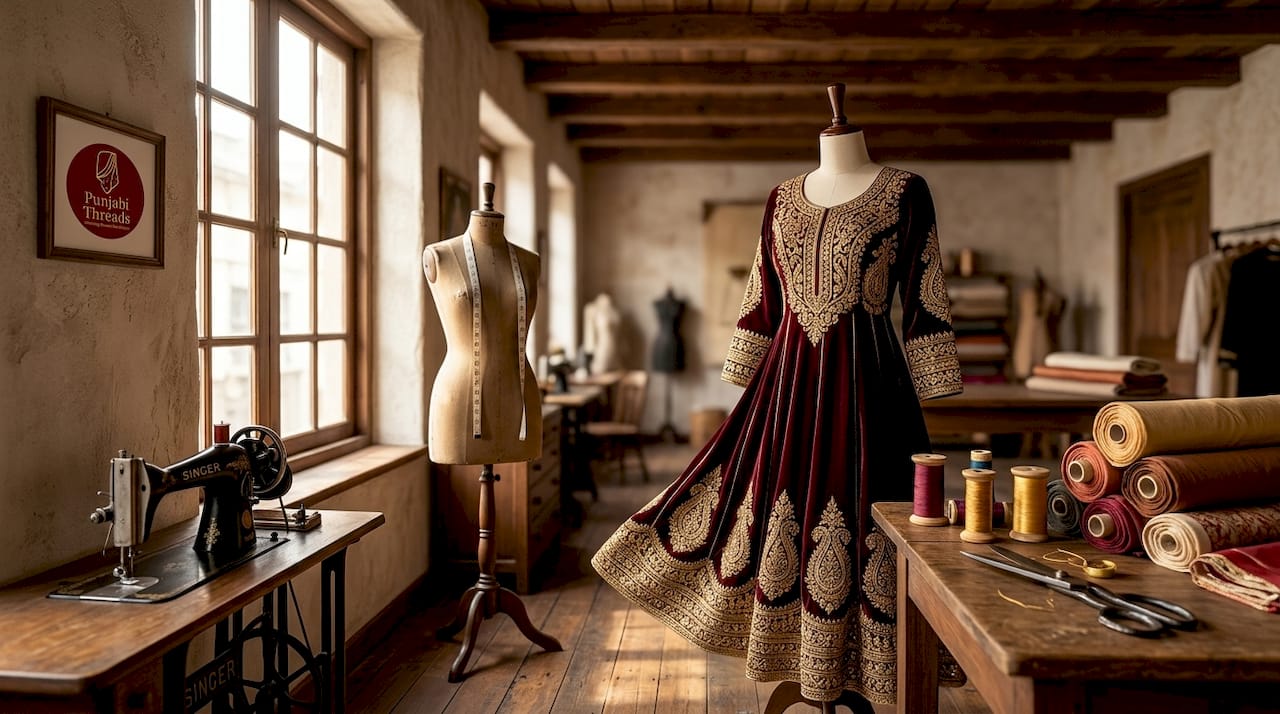
The Anarkali is the most recognized festive cut in South Asian fashion. Its defining feature is a floor-length or knee-length flared kameez that fans outward from the waist or chest. The graceful flare is engineered through specific panel counts and placement to achieve fluid movement and avoid boxy shapes. Anarkali suits are best for weddings, parties, and festivals, though the volume can feel tiring during extended wear.
Pros: Dramatic silhouette, flatters most body types, works with heavy embroidery.
Cons: Bulky for long events, requires careful fabric selection to avoid stiffness.
Sharara
The Sharara pairs a short kurti with wide-legged pants that flare dramatically from the knee. This cut offers unrestricted movement and visual balance, making it a top choice for pre-wedding functions and dance-heavy celebrations. The wide leg creates a balanced proportion that works especially well for petite frames.
Pros: Extremely comfortable, great for dancing, visually striking.
Cons: Requires careful hemming to avoid tripping, not ideal for formal office settings.
Churidar
The Churidar is a fitted bottom that tapers from the thigh to the ankle, creating deliberate gathers at the lower leg. It reads as polished and sharp, making it the preferred choice for cultural office events and small poojas. The fit demands precise measurements, particularly at the ankle, and is less forgiving than looser cuts during long hours of sitting.
Pros: Elegant, formal appearance, pairs well with long straight or A-line kameezes.
Cons: Less comfortable for extended wear, requires accurate measurement.
Patiala
The Patiala salwar is defined by its dramatic pleating and generous volume. Originating from Punjab, it sits high at the waist and balloons outward before tapering at the ankle. It is one of the most comfortable traditional salwar kameez variations for everyday wear because the pleats allow full freedom of movement without restriction.
Pros: Extremely comfortable, culturally rich aesthetic, works for casual and festive occasions.
Cons: Volume can overwhelm petite frames, requires confident styling.
Palazzo
The Palazzo cut features wide-leg pants with a straight fall from hip to ankle. Unlike the Sharara, the flare begins at the hip rather than the knee, creating a cleaner, more contemporary silhouette. Palazzo pants allow excellent air circulation, making them a practical choice for warm climates like Melbourne summers. They pair naturally with short or medium length kameezes.
Pros: Breathable, modern aesthetic, easy to style with both traditional and Indo-Western tops.
Cons: Can appear casual if not styled with the right kameez and fabric.
Straight cut
The straight cut salwar kameez is exactly what it sounds like: a kameez with a clean, vertical silhouette and matching straight-leg pants. It is the most versatile of all salwar kameez styles, moving easily between office wear, casual outings, and semi-formal events. The simplicity of this cut makes it the easiest to tailor and the most forgiving for different body types.
Pros: Versatile, easy to wear, works across occasions.
Cons: Less dramatic for festive events, requires accessories to elevate the look.
Angrakha and jacket styles
The Angrakha features a wrap-style kameez that crosses at the front and ties at the side, creating an asymmetric neckline. Jacket-style salwar kameez sets layer a structured short jacket over a fitted inner kameez, a format that has grown significantly in popularity as an Indo-Western fusion look. Both styles work well for mehendi ceremonies and semi-formal cultural events.
Pro Tip: If you want a cut that photographs beautifully at events, the Angrakha’s asymmetric neckline creates natural visual interest without requiring heavy embroidery.
2. How fabric and silhouette affect comfort and occasion suitability
Fitted styles suit hotter climates and formal occasions, while voluminous styles offer warmth and festive flair. This principle should guide every fabric decision you make.
For festive Anarkali and Sharara cuts, lightweight fabrics like chiffon, georgette, and organza are the standard choice. 2026 wedding styling trends favor these lighter materials over heavy velvet and stiff brocades, with layered flares and subtle embellishments replacing the maximalist embroidery of previous years. This shift means you can wear a festive Anarkali for a full wedding day without the physical fatigue that heavier fabrics cause.
For colder weather or evening events, silk blends and heavier georgette provide insulation while maintaining an elegant drape. Straight cut and Palazzo styles in cotton or linen work best for daytime casual wear in warm climates, allowing air circulation that heavier cuts cannot provide.
“Silhouette is a style signal: fitted cuts read as formal and minimal, while volume speaks celebration and festivity. Climate dictates the fabric that brings that signal to life.” — Mirraw Style Guide
Key fabric and climate pairing rules:
- Chiffon and georgette: Best for Anarkali and Sharara in warm to moderate climates; drapes beautifully and photographs well.
- Cotton and linen: Ideal for straight cut and Palazzo in hot weather; breathable and low maintenance.
- Silk and silk blends: Suited to Churidar and formal Anarkali for cooler evenings; adds sheen and structure.
- Velvet and brocade: Reserve for winter weddings and evening events only; heavy fabrics restrict movement in warm conditions.
For fabric care, hand wash or dry clean embellished cuts. Machine washing degrades embroidery threads and distorts pleating in Patiala and Sharara styles.
3. Measurement and fit considerations for different cuts
Accurate measurement is the single most critical factor in achieving a well-fitted salwar kameez, regardless of the cut you choose. Follow these steps for each key measurement:
- Kameez length: Measure from the neck-shoulder point straight down to your desired hemline. For Anarkali, this typically reaches the knee or floor. For straight cut, mid-thigh to knee is standard.
- Bust measurement: Wrap the tape snugly around the fullest part of your chest, leaving room for one finger. This prevents a kameez that pulls across the front.
- Waist measurement: Measure at the natural waist, not the hip. This is the anchor point for Patiala and Sharara pleating.
- Salwar length: Measure from the waist to the ankle. For Churidar, add 6 to 8 inches beyond the ankle measurement to account for the gathered fabric at the lower leg.
- Bottom opening: This measurement defines the style. A narrow opening (12 to 14 inches) creates the Churidar look. A wide opening (30 inches and above) defines the Palazzo or Sharara silhouette.
Churidar measurement pitfalls are the most common source of fitting errors. Buyers frequently forget to add the extra length for ankle gathers, resulting in a bottom that pulls uncomfortably rather than draping elegantly.
Pro Tip: For Patiala and Sharara styles, always measure your hip circumference in addition to your waist. The pleating and flare originate from the hip, and an incorrect hip measurement will cause the fabric to bunch rather than fall cleanly.
4. How different cuts align with events and 2026 styling trends
Modern wedding fashion favors wearable elegance with lighter embroidery and fabric innovation, blending traditional salwar kameez with Indo-Western accents. This shift is reshaping which cuts dominate each event type.
For weddings and festive events, Anarkali and Sharara remain the dominant choices, but the 2026 versions are lighter, more layered, and often incorporate organza or tissue fabric rather than heavy zari work. You can explore the latest Punjabi suit color trends to see how pastels and jewel tones are replacing the traditional red and gold combinations at wedding functions.
For office and semi-formal cultural events, the Churidar and straight cut are the clear leaders. Their clean lines and fitted silhouettes communicate professionalism without sacrificing cultural identity. Pair either with a structured dupatta and minimal jewelry for a polished result.
The Palazzo and Angrakha cuts are gaining ground as Indo-Western fusion options, particularly among younger buyers who want traditional fabric with a contemporary silhouette. For a current example of this aesthetic, the Mustard Embroidered Chinon Suit Set at Punjabithreads shows how modern cuts and traditional embroidery can coexist in a single garment.
| Cut | Best event | Comfort level | Style impact |
|---|---|---|---|
| Anarkali | Weddings, festivals | Moderate | High drama, festive |
| Sharara | Pre-wedding, dance events | High | Bold, celebratory |
| Churidar | Office, poojas, semi-formal | Low to moderate | Polished, formal |
| Patiala | Casual, cultural events | Very high | Traditional, vibrant |
| Palazzo | Casual, daytime events | Very high | Modern, relaxed |
| Straight cut | Office, daily wear | High | Versatile, understated |
| Angrakha | Mehendi, semi-formal | High | Artistic, Indo-Western |
For seasonal wardrobe planning around these cuts, 2026 wardrobe essentials from Wildflower Wardrobe offer useful context on how ethnic wear is being integrated into broader seasonal fashion cycles.
Key takeaways
The right salwar kameez cut is determined by three factors: the occasion, the climate, and your body’s measurements. No single cut works for every situation.
| Point | Details |
|---|---|
| Cut defines occasion fit | Anarkali and Sharara suit festive events; Churidar and straight cut work for formal settings. |
| Fabric follows silhouette | Lightweight georgette and chiffon suit flared cuts; cotton and linen work best for straight and Palazzo styles. |
| Measurement accuracy matters | Churidar requires extra length for ankle gathers; bottom opening width defines the entire silhouette. |
| 2026 trends favor lighter fabrics | Organza, tissue, and silk blends are replacing heavy velvet and stiff brocade in festive wear. |
| Custom tailoring solves fit problems | Made-to-measure stitching eliminates the guesswork of standard sizing across all cut types. |
Why I always start with the cut, not the fabric
After years of working with customers at Punjabithreads, I have seen one mistake repeat itself constantly: buyers fall in love with a fabric or embroidery pattern and then try to force it into a cut that does not suit their body or their event. The result is a garment that looks beautiful on a hanger and uncomfortable in photographs.
My honest recommendation is to reverse the process. Decide on the cut first based on where you are wearing it and how long you will be in it. A Sharara for a six-hour wedding reception is a genuinely comfortable choice. A Churidar for the same event is not, regardless of how stunning the fabric is.
I also think the straight cut is dramatically underrated. Customers often dismiss it as too simple, but a well-tailored straight cut in a quality chinon or crepe fabric with the right dupatta styling can hold its own at semi-formal events. The cut’s simplicity is its strength because it puts the fabric and your accessories at the center.
The other shift I have noticed in 2026 is that customers are increasingly open to fusion silhouettes. The Angrakha wrap and jacket-style sets are no longer just for the fashion-forward buyer. Families attending Australian cultural events want something that reads as traditional but moves like contemporary clothing. That is exactly where custom tailoring earns its value. You can explore ethnic wear trends in Australia to see how this shift is playing out across the Melbourne community specifically.
— Punjabi
Find your perfect cut at Punjabithreads
Knowing which cut suits you is only half the equation. The other half is getting it stitched to your exact measurements so the silhouette actually performs the way it is supposed to.
Punjabithreads specializes in custom salwar kameez stitching for Melbourne families, with fabric options spanning chiffon and georgette for festive Anarkali cuts through to cotton and silk blends for everyday straight cut styles. Every garment is built from your personal measurements, which means no guessing on bottom openings, no pulling at the bust, and no Churidar that bunches at the wrong point. Visit Punjabithreads to browse ready-made styles or book a custom stitching consultation. If you are weighing up your options, the custom vs. ready-made guide breaks down exactly what each path delivers.
FAQ
What are the most popular salwar kameez cuts?
Anarkali, Sharara, Churidar, Patiala, Palazzo, and straight cut are the most widely worn salwar kameez silhouettes. Each suits different occasions, body types, and comfort preferences.
Which salwar kameez cut is best for weddings?
Anarkali and Sharara are the top choices for weddings and festive events. Anarkali offers dramatic flare, while Sharara provides greater comfort and freedom of movement for long celebrations.
How do I measure for a Churidar correctly?
Measure from waist to ankle, then add 6 to 8 inches to account for the gathered fabric at the lower leg. Also measure the ankle circumference precisely to achieve the correct bottom opening width.
What is the difference between Palazzo and Sharara cuts?
Palazzo pants flare from the hip in a straight, wide-leg fall, while Sharara pants flare dramatically from the knee. Palazzo reads as more contemporary and casual; Sharara is more festive and traditional.
Which cut works best for everyday wear?
The straight cut salwar kameez is the most practical for daily wear. Its clean silhouette, ease of tailoring, and compatibility with cotton and linen fabrics make it the most comfortable and versatile option across seasons.


