

Blog
How to Style Cape Style Punjabi Suits for Weddings

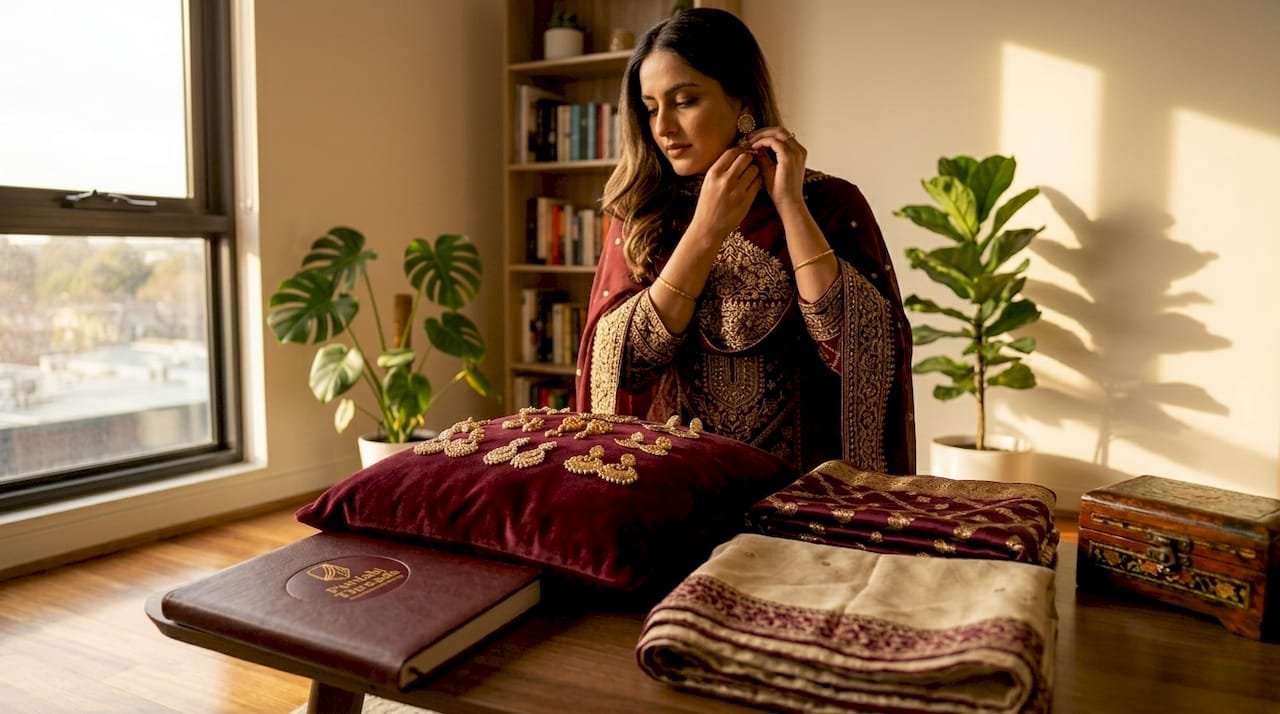
Cape-style Punjabi suits have taken the ethnic fashion world by storm, and for good reason. If you want to style a cape style Punjabi suit that turns heads at a sangeet, reception, or festival without losing the ability to dance freely, you need more than just a pretty outfit. You need the right fabric, the right fit, and a few smart choices that most people figure out too late. This guide walks you through every decision, from picking your components to managing your cape mid-celebration, so you show up looking polished and stay comfortable all night.
Table of Contents
- Key takeaways
- Style cape style Punjabi suits: fabric and components
- How to select and style your cape suit for any event
- Fit and wearability issues most people discover too late
- Managing your cape during the event
- My honest take on cape suits after years at the fitting table
- Find your perfect cape suit at Punjabithreads
- FAQ
Key takeaways
| Point | Details |
|---|---|
| Fabric matters most | Choose organza or chiffon over net to prevent jewelry snagging and enjoy easy movement. |
| Structured capes outperform drapes | Attached capes with closures stay in place during dancing, unlike loose shoulder drapes. |
| Cape length affects safety | A mid-calf cape lets you see your feet and prevents tripping on stairs or dance floors. |
| Custom fit solves most problems | Tailored adjustments to sleeves, neckline, and shoulder fit prevent the most common wearability issues. |
| Match your outfit to the event | Deep jewel tones read beautifully under evening lighting for receptions, while pastels suit daytime festivals. |
Style cape style Punjabi suits: fabric and components
Before you even think about color or embroidery, understand what you are working with. Most fashionable Punjabi suits in the cape style come as three-piece sets, with a cape, a kurta or crop top, and a bottom. That bottom is usually a palazzo pant, churidar, or flared skirt. Each piece plays a role, and your fabric choices for each determine how the whole outfit performs.
Here is a quick breakdown of fabrics by performance:
- Organza: Structured, holds its shape, minimal snag risk. Great for capes that need to drape elegantly without catching on jewelry.
- Chiffon: Lightweight and fluid, ideal for capes that should move with you. Works beautifully in layered or attached designs.
- Chanderi: A cotton-silk blend with subtle sheen. Breathable for long event days without sacrificing the festive look.
- Net: Decorative and dramatic, but net fabric capes snag on rings and jewelry during dancing. Reserve it for photoshoots or events with minimal movement.
- Georgette: Flowy and forgiving on the body, though it wrinkles easily throughout the day.
The table below shows which fabric combinations work best for common occasions:
| Occasion | Best Cape Fabric | Best Bottom Pairing |
|---|---|---|
| Sangeet | Organza or chiffon | Churidar or palazzo |
| Wedding reception | Chanderi or silk | Flared skirt or lehenga-style palazzo |
| Daytime festival | Cotton silk or chinon | Wide-leg palazzo |
| Destination wedding | Lightweight chiffon | Cropped wide-leg pant |
One more thing people often overlook: cape length. A cape ending at mid-calf is the sweet spot. Longer than that and you lose sight of your feet on staircases and raised venues. Shorter and you lose the dramatic silhouette entirely.
Pro Tip: When shopping for your cape set, ask specifically whether the cape is attached or separate. Attached capes with tie-up closures perform far better in real celebrations than separate drape-style capes that rest loosely on your shoulders.
How to select and style your cape suit for any event
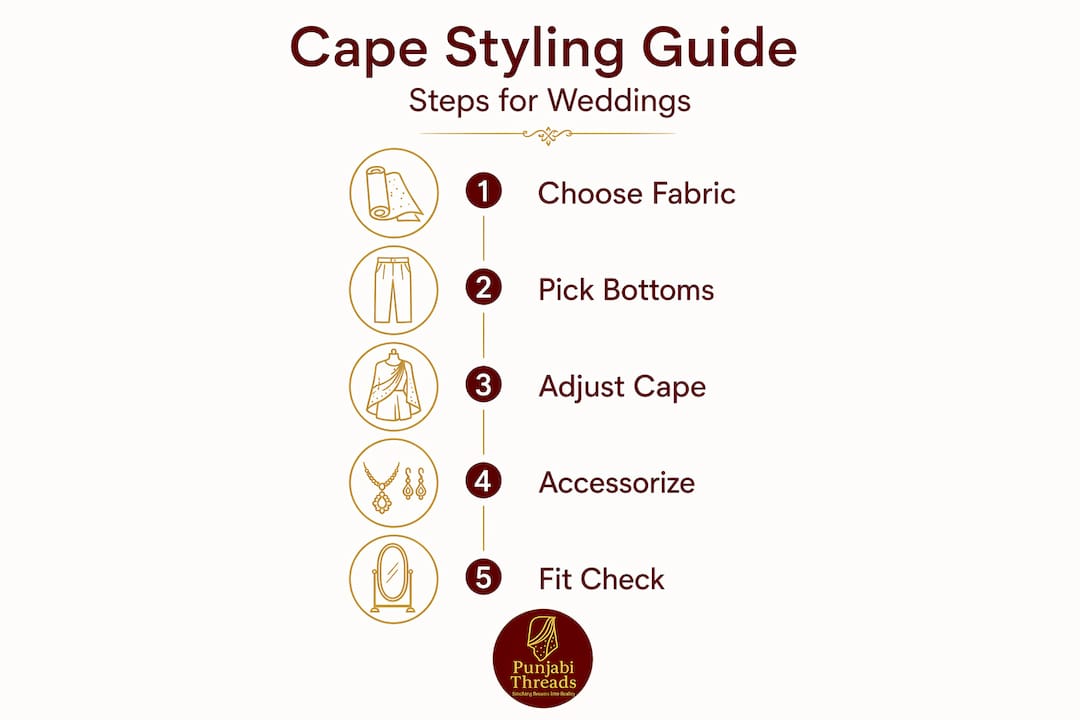
Choosing the right outfit is a process, not a single decision. Follow these steps and you will eliminate most problems before they happen.
-
Identify your event type first. Cape-style suits are ideal for sangeet, reception, bridesmaid, and destination weddings. Each setting has different lighting, formality levels, and movement requirements. A sangeet demands maximum mobility. A reception favors drama over function.
-
Choose your color based on lighting. Deep jewel tones, think royal blue, emerald, plum, and wine, photograph beautifully under warm event lighting. Pale pastels tend to wash out under artificial lights at night events. If your occasion is daytime or outdoors, soft mint, blush, or powder blue work well.
-
Decide on a single-layer or layered cape. Single-layer capes are cleaner and easier to manage. Layered capes add dimension and visual interest but require more planning. If you are new to cape-style ethnic wear, start with a single structured layer.
-
Match or contrast your top and bottom deliberately. A monochromatic look where the cape, kurta, and palazzo share the same color family reads as intentional and sophisticated. A contrasting bottom draws the eye downward and works well if your cape and top carry heavy embroidery.
-
Plan your accessories around the cape neckline. A V-neck cape leaves room for a statement necklace. A high-neck or round-neck cape calls for statement earrings instead. Do not compete with the cape itself by overloading on jewelry.
-
Test movement before the event day. Raise your arms above your head. Sit down. Walk quickly. If anything slips, tightens, or restricts you, that is your cue for an alteration before the event.
Pro Tip: If you have a sangeet on your calendar, look for designs where the cape replaces the dupatta entirely. You get the coverage without the constant re-draping, and your arms stay free for every dance.
Fit and wearability issues most people discover too late
Here is where many women run into real trouble. A cape suit that looks perfect on the hanger can become a nightmare by the second hour of an event. The most common issues include:
- Cape slipping off the shoulders when you raise your arms or move quickly. Loose drape-style capes look great in photos but fall off during real events with lots of movement.
- Sleeves cut too narrow through the upper arm, limiting reach and making dancing uncomfortable.
- Neckline sitting awkwardly, either too wide and exposing more than intended or too tight and creating visible strain.
- Kurti length hitting at an unflattering point, especially with palazzo pants.
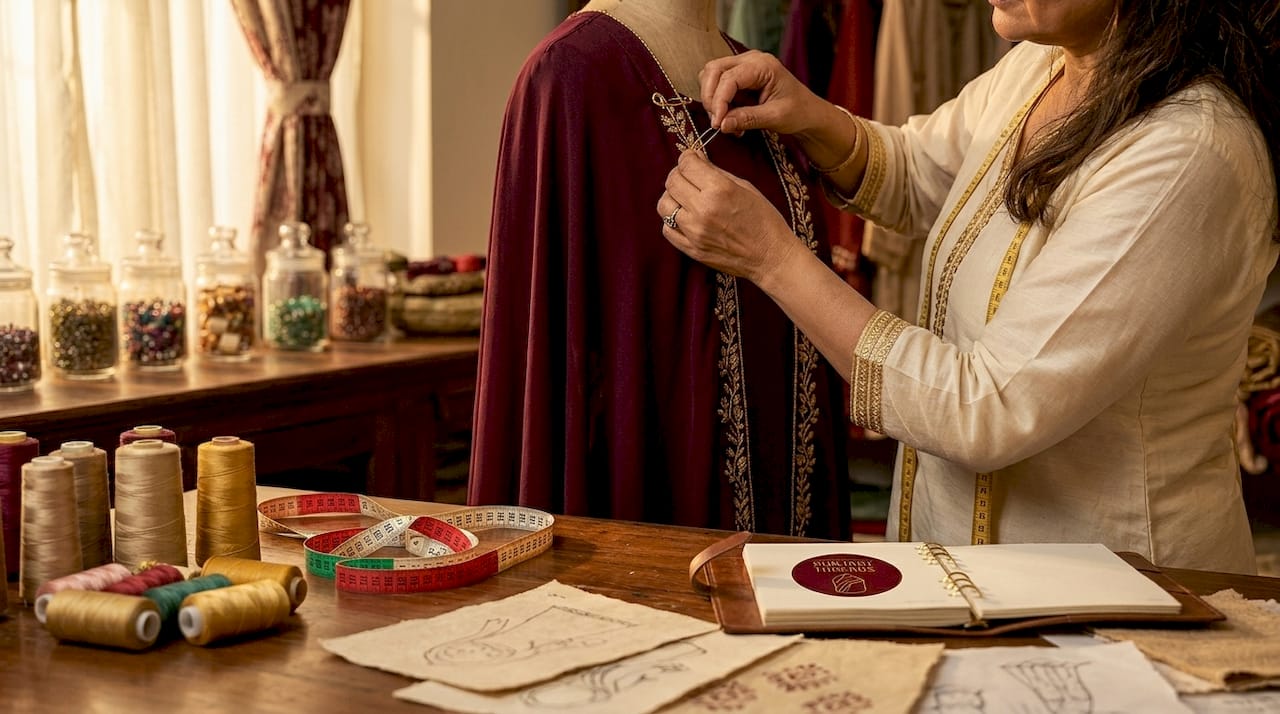
The fix for most of these is a skilled tailor. Common fitting issues in Punjabi suits including tight sleeves, awkward necklines, and shoulder fit problems are all fixable with targeted adjustments. The key is catching them before the event, not on the morning of.
For the cape specifically, integrated attachments and adjustable closures make a dramatic difference in how the outfit behaves across hours of wear. If you are buying ready-made, look for capes with internal ties, hook-and-eye closures, or shoulder snaps. If you are going custom versus ready-made, a tailor can build these attachment points directly into the design.
Pro Tip: Wear your event footwear when you do your fitting trial. Heel height changes your posture and the way your hem sits, which means the kurti and cape lengths can look completely different in heels than in flats.
Managing your cape during the event
You have the right outfit. Now you need to wear it well for six to eight hours without a wardrobe crisis. Here is how to stay comfortable and stylish throughout the celebration.
-
Choose footwear before you finalize hem lengths. Block heels and wedges give more stability on uneven venue flooring than stilettos. If your cape runs to mid-calf, a two to three inch block heel brings the hem to a safe, visible distance above the floor.
-
Remove jewelry that protrudes sharply before heavy dancing. Statement rings and wide bangles are the most common culprits for snagging on fabric during lively bhangra sets. Switch to studs and a single bangle on the wrist that does not come near the cape edge.
-
Pin strategically if your cape feels unstable. Clear dress pins placed at the inner shoulder seam anchor the cape without showing. Two pins on each side is usually enough to prevent slipping without creating tension in the fabric.
-
Know when to remove a layered cape. If you have a detachable outer layer, plan in advance which part of the evening calls for the full look versus the streamlined inner outfit. Early arrival photos and formal ceremonies are perfect for the full layered effect. Dance floor sessions are better without it.
-
Keep a small emergency kit nearby. A compact kit with clear dress pins, double-sided fashion tape, and a small fabric brush covers most quick fixes without requiring a full outfit change.
Pro Tip: Ask your tailor to add a small internal loop at the cape’s shoulder point. You can thread a thin fabric tie through it that attaches to a button on the inner kurta, keeping everything in place without any visible pinning.
My honest take on cape suits after years at the fitting table
I have seen dozens of women walk into the Punjabithreads studio with images of cape-style suits they loved on Instagram, only to discover the outfit behaves completely differently when they move. The photo version is usually a loose, draped cape with delicate net fabric falling beautifully off the shoulders. The reality version ends up on the floor by the first fast song.
What I have learned is that structured cape designs with proper closures are not just a practical compromise. They are actually the more sophisticated choice. When a cape sits perfectly in place all evening, it reads as intentional and polished. When it keeps slipping, it becomes the thing everyone notices for the wrong reason.
My honest advice for young women trying this style for the first time: forget the look that gets the most likes and focus on the outfit you can wear for eight hours without adjusting it every twenty minutes. That almost always means a fabric you can check at ethnic wear trends in Australia, an attached or tie-secured cape, and a fitting session where you actually dance around the room.
The most stunning women at every event I can recall were not wearing the most dramatic outfits. They were wearing outfits that fit them so well they never thought about them once the night began.
— Punjabi
Find your perfect cape suit at Punjabithreads
At Punjabithreads, we specialize in exactly the kind of tailoring that makes a cape-style Punjabi suit work in real life, not just on a hanger. Whether you are looking for a custom-stitched design built to your exact measurements or guidance on selecting the right fabric for your event, we handle it all from our Melbourne studio.
Browse our full range of Punjabi suits in Melbourne including stitched and unstitched cape styles, or visit our main collection to explore current designs. If you want to talk through a custom cape outfit before committing to a fabric and design, reach out to our team for a personal consultation. We serve Melbourne locally and ship Australia-wide, so your perfect fit is never out of reach.
FAQ
What fabric is best for a cape style Punjabi suit?
Organza and chiffon are the top choices because they drape well and resist jewelry snagging during movement. Avoid net fabric for events with heavy dancing.
How do I keep a cape from slipping off my shoulders?
Look for designs with integrated closures like ties, hooks, or snaps rather than loose drapes. Adding two clear dress pins at the inner shoulder seam also helps significantly.
Are cape style suits suitable for sangeet nights?
Yes. A long cape worn over a fitted kurta and churidar allows free arm movement and replaces the dupatta, making it one of the best choices for sangeet celebrations.
Should I go custom or buy ready-made for a cape Punjabi suit?
If fit and wearability matter to you, custom is worth it. Ready-made suits can work if you find a design with adjustable closures, but a tailor can build the exact attachment and sleeve adjustments you need.
What length should my cape be for a wedding event?
Mid-calf is the recommended length. It gives you the full visual impact of the style while keeping your feet visible and reducing the risk of tripping on stairs or uneven flooring.


