

Blog
When to Order Wedding Outfits for a Perfect Fit

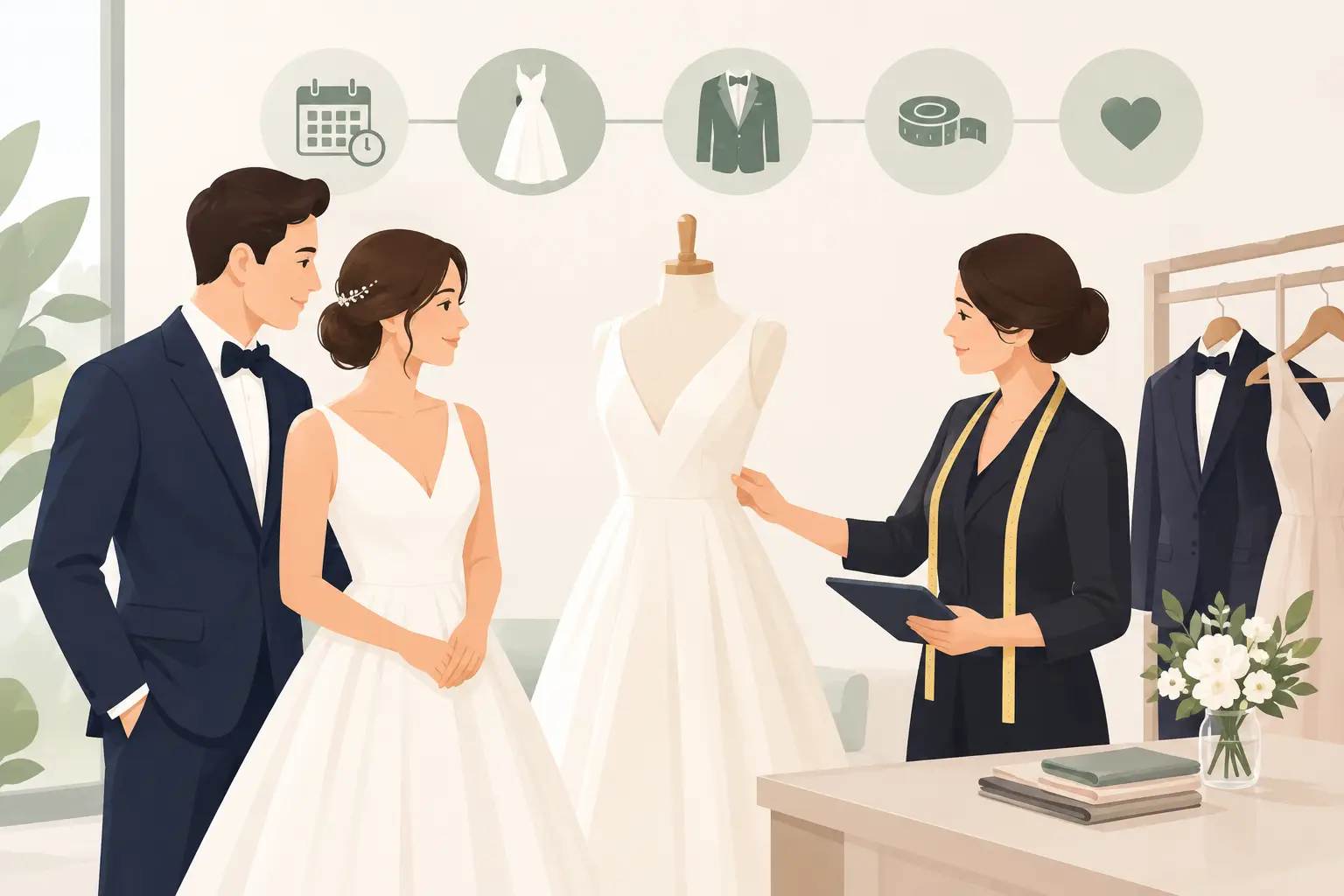
A wedding outfit is not just something you wear for a few hours. It is part of the photographs, the family welcome, the dance floor, and the memories that will be revisited for years. Knowing when to order wedding outfits gives you the freedom to choose the embroidery, fabric, silhouette, and finishing details you truly want – rather than settling for what happens to be available.
For South Asian weddings, timing matters even more because one celebration can involve several looks: a mehndi suit, sangeet lehenga, wedding-day outfit, reception saree, and coordinated styles for parents, siblings, children, and the groom. The best order date depends on whether you are choosing ready-made clothing, requesting custom stitching, or sourcing a heavily embellished bridal piece.
When to Order Wedding Outfits: The Ideal Timeline
For a made-to-measure bridal lehenga, an embroidered Pakistani suit, or a tailored sherwani-style kurta pajama, begin the process six to nine months before the wedding. This is the most comfortable window for selecting fabrics, confirming a design, taking measurements, allowing for stitching, and scheduling fittings without pressure.
If you are shopping for ready-made wedding outfits and only expect minor alterations, three to five months ahead is usually sufficient. You will still have time to compare colors and styles, coordinate accessories, and have the garment adjusted for a clean, comfortable fit.
Ordering only a few weeks before the event can work for a simple ready-made kurti, a children’s outfit, or accessories such as Punjabi jutti, bangles, and turbans. However, it is a riskier approach for bridal wear or a full family order. Popular sizes, sought-after colors, and premium embellished pieces may sell out, while rushed alterations leave very little room to refine the fit.
Six to Nine Months Ahead: Bridal and Custom Looks
This is the right time to make decisions that cannot be rushed. A bridal lehenga may involve detailed zari, sequins, stonework, hand embroidery, layered can-can, a custom blouse, and a dupatta that needs the right drape and border placement. Each choice affects both the final appearance and how the outfit feels through a long wedding day.
Start by considering the venue, season, ceremony time, and level of formality. A richly embroidered maroon or red bridal lehenga creates a traditional statement, while softer rose, champagne, sage, or ivory tones can feel fresh for daytime events. For a summer celebration, breathable fabrics and manageable embellishment may be wiser than a very heavy velvet or densely beaded design.
This early window also gives you time to bring inspiration images to an expert tailor and discuss what will translate well to your body shape, event, and budget. A design may look stunning in a photograph but need adjustments to the neckline, sleeve length, flare, or dupatta size to feel like your own. Custom work is where precision makes the difference.
Three to Five Months Ahead: Ready-Made Outfits and Coordinated Family Wear
Ready-made does not mean one-size-fits-all. A beautiful salwar kameez, Patiala suit, saree blouse, or men’s kurta pajama often needs small changes at the shoulders, waist, sleeve, hem, or trouser length. Shopping several months ahead lets you choose based on style, not urgency.
This is also an ideal period to coordinate family looks. The goal is not for everyone to wear identical clothing. Instead, select a shared color story or decorative detail. For example, the bride’s deep wine lehenga can be complemented by a mother’s wine and gold suit, a sibling’s blush pink anarkali, and a groom’s ivory kurta pajama with a wine stole or turban accent.
Parents and close family members should avoid waiting until the final month, especially if they prefer custom stitching or have specific comfort needs. Weddings involve long hours of sitting, standing, greeting guests, and dancing. A properly fitted outfit allows everyone to enjoy the occasion rather than constantly adjusting a neckline, waistband, or dupatta.
Why Alterations Need Their Own Time
Even the most exquisite outfit can lose its impact if the fit is unfinished. A blouse that pulls across the back, pants that are too long, or a kameez that sits awkwardly at the shoulder can make you feel less confident before the celebrations have even begun.
Plan for at least one fitting after your outfit arrives. For bridal outfits and tailored garments, two fittings are often better. The first fitting checks the overall structure: bust, waist, hips, shoulder placement, length, and ease of movement. The second fitting handles the finer details, such as sleeve comfort, hooks, closures, hemming, and how the dupatta falls when pinned.
Try on your complete outfit at the final fitting. Wear the shoes or heel height you expect to use, and bring the shapewear, jewelry, or blouse padding you plan to wear. These details can change the fit more than people expect. If you will be wearing a jutti for the ceremony and heels for the reception, make sure the hem length works for both or decide which shoe takes priority.
Weight changes can happen during wedding planning, and there is no need for panic. Buying early still gives you options. Many garments can be adjusted within a reasonable range, but major size changes are harder to correct when an outfit is heavily embroidered or has limited seam allowance. Be open with your tailor about your timeline and any expected changes so fittings can be scheduled wisely.
Timing by Wedding Event
A multi-event wedding calls for a slightly different approach. Prioritize the outfit that has the most embroidery, the most custom work, or the least flexibility in sizing. For most brides, that is the wedding-day lehenga or saree blouse. For grooms, it may be a tailored kurta pajama set, jacket, or turban coordination.
Mehndi and haldi outfits can often be selected later because they are usually lighter, brighter, and less structured. A vibrant yellow suit, floral-print sharara, green Patiala suit, or comfortable kurti set can be purchased closer to the date, as long as you leave time for alterations. These events often include movement, color, and hands-on rituals, so comfort should lead the decision.
For the sangeet or reception, choose an outfit that photographs beautifully but still lets you move. A sequined gown-style lehenga, jewel-toned saree, or embroidered suit can bring the drama without making the evening feel restrictive. Order earlier if you want a coordinated couple look, a custom blouse, or detailed color matching.
Do Not Forget Accessories and Children’s Outfits
Accessories are often saved for last, but they are what make an outfit feel complete. Buy jewelry, bangles, jutti, a clutch, and a turban with enough time to see the full look together. The wrong gold tone, an overly ornate jutti, or a dupatta border that competes with your jewelry can change the balance of the entire outfit.
Children’s traditional clothing deserves early attention too. Kids grow quickly, and comfort matters more than a perfect adult-style silhouette. Order their outfits two to three months ahead where possible, then schedule a final try-on closer to the event. Choose soft linings, easy closures, and a little room to move, especially for young children attending several functions.
What to Do If the Wedding Is Soon
If your wedding is less than eight weeks away, focus on pieces that can be altered quickly and worn confidently. Choose a ready-made suit, lehenga, saree, or kurta pajama in a silhouette you already know suits you. Avoid overly complex custom changes unless a tailor has confirmed the timing clearly.
Be practical about what is essential. A flawless fit, a beautiful fabric, and thoughtful styling will always look more polished than an overly ambitious design completed in a rush. A classic embroidered salwar kameez with a well-draped dupatta can be every bit as memorable as a highly customized outfit.
For wedding clothing that feels personal, celebratory, and comfortable, begin with your biggest outfit first and build the rest around it. Punjabi Threads can help bring together ready-to-wear styles, expert tailoring, and the finishing details that make every family member feel beautifully dressed for the celebration.