
Blog
Ethnicwear Alteration Tips for a Perfect Fit

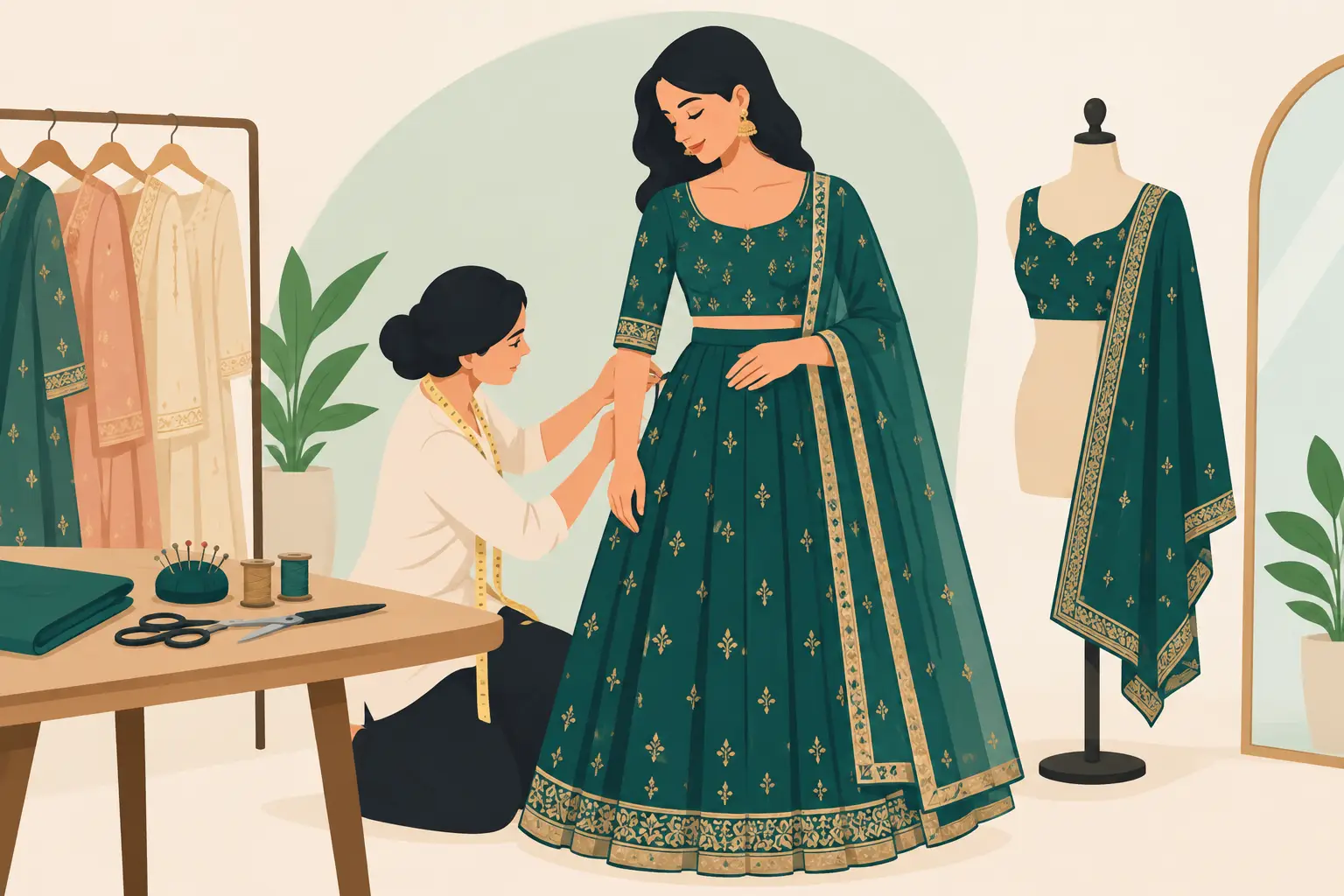
A suit can be beautifully embroidered, a lehenga can have the perfect color story, and a dupatta can be finished with delicate detail – but if the fit is off, the whole look feels unfinished. The best ethnicwear alteration tips begin with one simple principle: the garment should honor its design while allowing you to sit, walk, dance, greet family, and celebrate comfortably.
South Asian clothing is rarely a one-size-fits-all experience. Fabrics vary, silhouettes vary, and the fit you need for a wedding reception is different from what you need for a day at the gurdwara or a family dinner. A thoughtful alteration can make ready-made clothing feel personally crafted, without losing the character that made you choose it.
Start With the Occasion, Not Just the Size
Before any stitching begins, consider where and how you will wear the outfit. A fitted Pakistani suit for a formal dinner may need a closer waist and refined sleeve length. A Patiala suit for a festival should retain enough ease through the hip and thigh to keep its signature drape. Bridal and party wear need extra attention because heavy embroidery, can-can, lining, and embellishments all affect movement.
Bring the shoes, shapewear, bra, or petticoat you expect to wear with the outfit to your fitting. Heel height changes lehenga and saree lengths dramatically. A different bra can alter the way a blouse, kameez, or anarkali sits at the bust and armhole. These small details help an expert tailor adjust the garment for the finished look rather than an incomplete fitting-room version.
Also be honest about comfort. A garment can look sleek when standing still but pull across the shoulders when reaching for a photo or feel restrictive after a full meal. The most flattering fit has shape without strain.
Ethnicwear Alteration Tips for Punjabi Suits
For salwar kameez, Patiala suits, and straight-cut Punjabi suits, begin with the kameez. Shoulder fit comes first because it determines how the neckline, sleeves, bust, and overall fall will sit. If the shoulder seam is too wide, the sleeves may droop and the neckline can gape. If it is too narrow, the garment may pull at the upper back and underarm.
Bust, waist, and hip adjustments should follow the natural shape of the body while preserving ease. A straight kameez should not be tightened so much that the side slits pull open or the fabric catches when walking. With heavily embroidered panels, the tailor may need to take in side seams carefully to keep motifs centered and borders aligned.
Sleeve length deserves more attention than it gets. Three-quarter sleeves can be elegant and practical for lighter suits, while full sleeves create a more formal finish for winter weddings or religious occasions. If cuffs, lace, or embroidery are present, shortening from the shoulder instead of the hem may be the cleaner option. It depends on the placement of the design and the construction of the sleeve.
For salwars and Patialas, keep the silhouette in mind. A salwar needs room for movement, while a Patiala needs sufficient fabric volume to create its soft pleats. Narrowing either too aggressively can remove the traditional shape. A tapered trouser or cigarette pant, however, can be adjusted closer through the calf and ankle for a contemporary finish, as long as you can sit comfortably.
Check the Dupatta Before Finalizing the Look
A dupatta is not always altered, but it often needs finishing. A lightweight net or chiffon dupatta may benefit from neat edging if the fabric has started to fray. A very long dupatta can be shortened or styled with a pleated shoulder placement so it does not overwhelm a petite frame.
Do not cut an embroidered border without checking both ends first. Many dupattas have a directional pattern or a border designed to frame the face and fall gracefully over the arm. Sometimes better draping, discreet shoulder tacks, or small loops are the smarter solution.
Altering Lehengas Without Losing Their Drama
Lehengas require a more careful approach because the blouse, skirt, and dupatta need to work as one outfit. Start with the blouse. It should sit firmly at the shoulders and bust without digging into the underarms or flattening the embroidery. A well-fitted blouse creates posture and support, especially when the lehenga skirt is heavily embellished.
If a blouse is too large, taking in the side seams is usually possible. If it is too small, the options depend on seam allowance, extra fabric, and the location of embroidery. A matching fabric panel, concealed side opening, or decorative tie-back may create additional room, but each choice changes the original design slightly. This is why it is wise to buy occasionwear with some room for tailoring rather than relying on a garment that is already tight.
Lehenga length should be checked while wearing the exact heels or flats planned for the event. The hem should skim the floor rather than drag, leaving enough clearance to walk without stepping on it. For a bridal lehenga, lifting the hem evenly is essential so the border stays level. A skirt with a deep embroidered border may need adjustment from the waist rather than the hem, which is more complex but protects the detailing.
The waistband also matters. It should sit securely without rolling, pinching, or slipping during dancing. A small hook-and-eye adjustment can refine the fit, while a drawstring or side tie may offer flexibility for long functions. Avoid tightening the waist so much that the skirt rides upward and changes its intended length.
Saree Blouses, Falls, and Petticoats Need Teamwork
A saree’s elegance often comes down to the blouse and petticoat. A blouse should fit closely enough to stay in place under a drape, but it should allow you to breathe and raise your arms. Check the neckline from the front, side, and back, especially if you have selected a deep back, sheer panel, or tie-up detail.
For sleeveless blouses, armholes are particularly important. If they are too loose, the blouse may reveal more than intended. If they are too tight, they can cut into the skin. A skilled alteration balances coverage and comfort without disturbing the blouse’s embroidery or piping.
A saree fall adds body and helps the pleats hang cleanly, especially with slippery fabrics such as georgette, chiffon, and satin blends. The petticoat should match the saree length and drape style. If the petticoat is too loose, pleats can slide; if it is too tight, the saree may bunch at the waist. For pre-pleated or ready-to-wear sarees, have the full garment assessed together before any changes are made.
Do Not Rush Embellished Fabric
Sequins, mirror work, zardozi, beads, lace, and stonework make ethnic fashion special, but they make alterations more technical. A needle passing through dense embroidery can break threadwork, crack embellishments, or leave visible gaps. The tailor may need to remove and reattach decorative elements by hand around a seam.
This is one area where a lower-cost shortcut can become expensive. A clean alteration on premium occasionwear takes time, particularly when matching motifs, preserving borders, or relining a garment. Schedule your fitting early, ideally several weeks before a major celebration, and leave time for a final try-on after the alterations are complete.
Bring the Whole Outfit to Your Fitting
The strongest fitting decisions happen when you can see the complete look: kameez with salwar and dupatta, lehenga with blouse and footwear, or kurta pajama with shoes and vest. Accessories change proportions too. A broad waist belt, statement jutti, or layered necklace can influence where a garment should sit and how much neckline or sleeve balance feels right.
For men’s kurta pajama, check the shoulder line, chest, sleeve length, pajama seat, and ankle opening. A kurta should skim the body rather than cling, and its length should suit the wearer’s height and the formality of the occasion. With children’s traditional wear, allow a little growing room, but avoid hems that create a tripping risk or waistbands that feel uncomfortable after a few hours.
At Punjabi Threads, our expert tailors approach every adjustment with respect for the garment’s fabric, silhouette, and cultural detail. Whether you are preparing for a wedding, Eid celebration, Diwali party, gurdwara visit, or family milestone, a considered fitting turns beautiful ethnicwear into something you can truly enjoy wearing.
Choose a fit that lets you move with ease, carry your dupatta with confidence, and stay present for every photograph, dance, and shared moment. That is when traditional clothing feels not only polished, but genuinely yours.