
Blog
Men Kurta Pajama Styles for Every Occasion

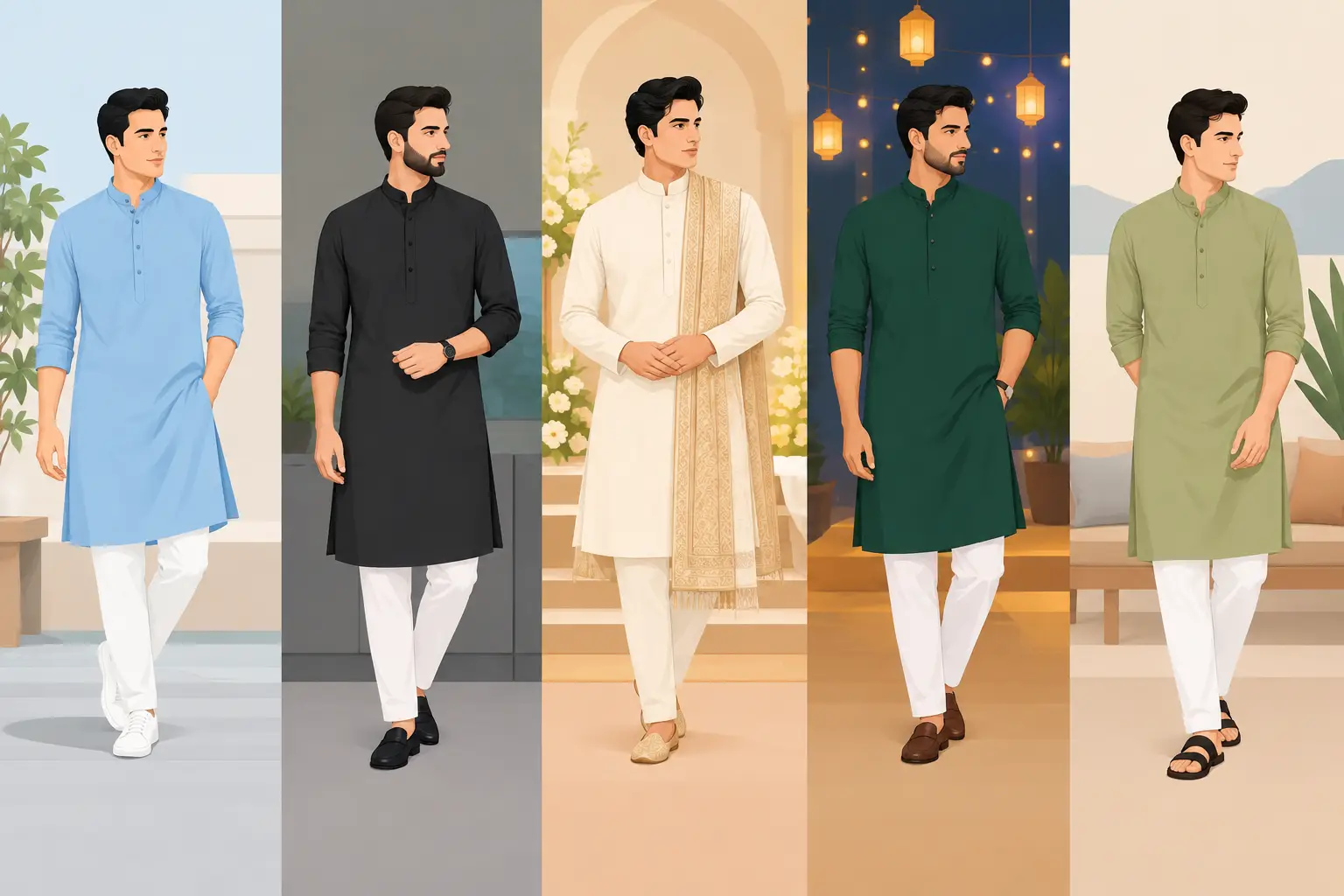
A well-chosen men kurta pajama does more than meet a dress code. It sets the tone for a wedding entrance, a family celebration, a religious function, or a festive evening shared with people who matter. The right outfit feels respectful to tradition while looking considered, comfortable, and current.
For many men, the challenge is not deciding whether to wear a kurta pajama. It is choosing a silhouette, fabric, and finish that suits the occasion and fits properly. A crisp cotton kurta may be perfect for a daytime pooja, while a richly embroidered kurta calls for a wedding reception or sangeet. Knowing the difference helps you dress with confidence rather than simply choosing the brightest piece on the rack.
Choosing a Men Kurta Pajama by Occasion
A kurta pajama should suit the energy of the event. Formal celebrations invite texture, detailing, and deeper colors, while casual gatherings are better served by breathable fabrics and simpler tailoring. There is no single “best” style – the most elegant choice is the one that feels appropriate, fits well, and lets you move freely.
Weddings and formal receptions
Wedding wear can carry more visual detail. Think silk-blend kurtas, jacquard weaves, subtle zari work, thread embroidery, or a refined pattern woven into the fabric. Ivory, cream, gold, deep navy, bottle green, maroon, and black create a polished formal presence, especially for evening functions.
For a groom, close family member, or someone attending a major reception, a structured kurta with a Nehru jacket can add dimension without feeling overdone. Pair it with tapered pajamas or a churidar, depending on the length and cut of the kurta. The jacket should sit cleanly across the shoulders and chest, not pull at the buttons or flare away from the body.
If the event includes plenty of dancing, long greetings, and photographs, comfort matters as much as embellishment. A heavily worked kurta may look impressive, but it can feel warm and restrictive after several hours. In that case, choose a detailed neckline or cuff rather than embroidery across the entire garment.
Festivals and religious functions
Festive dressing is an opportunity to bring in color with intention. Mustard, saffron, royal blue, teal, rust, soft pink, and classic white all work beautifully for celebrations such as Diwali, Vaisakhi, Eid, or Gurpurab. The setting can guide the final choice: brighter shades often suit daytime festivities, while jewel tones and darker neutrals feel especially elegant in the evening.
A cotton-silk kurta offers a useful middle ground for these occasions. It has more occasionwear presence than everyday cotton but remains lighter than heavily embellished formalwear. A band collar, contrast buttons, fine embroidery along the placket, or a subtle printed pattern gives the outfit a festive finish without taking attention away from the occasion itself.
For religious functions, choose tasteful styling over excess. A clean white, cream, beige, or pastel kurta pajama is timeless and respectful. Add a matching or complementary turban if it is part of your personal or cultural dress, keeping the color balance intentional rather than overly coordinated.
Everyday cultural wear and family gatherings
For relaxed lunches, home functions, community events, or casual festive visits, breathable cotton is hard to beat. It is easy to wear, easier to care for, and naturally suited to warmer weather. Straight-cut kurtas in solid colors, small prints, or light texture offer a neat traditional look without feeling too formal.
A shorter kurta can work well with slim pajamas for a sharper, contemporary silhouette. A longer kurta creates a more traditional line and pairs especially well with churidar-style bottoms. Both are valid choices. The key is proportion: a shorter, fitted kurta benefits from narrower bottoms, while a longer or looser kurta needs enough structure below to avoid looking bulky.
Fabric Changes the Entire Look
Fabric is often the first thing people notice, even before they can name it. It affects drape, comfort, shine, movement, and how formal the outfit feels.
Cotton is dependable for daywear and warm conditions. It has a clean, grounded appearance and is ideal when comfort is the priority. Linen or cotton-linen blends bring an airy, textured finish, although they wrinkle more easily and may look less formal than silk-based fabrics.
Silk, art silk, and silk blends offer more sheen and visual richness. They are popular for weddings and evening celebrations because they catch light beautifully in photographs. Pure silk can feel luxurious but requires more careful maintenance, while a quality blend can offer a similar look with more practical wear.
Jacquard and brocade fabrics are designed for moments that call for presence. Their woven patterns create depth without necessarily relying on heavy embroidery. Because these fabrics already make a statement, they usually look best with simple pajamas, restrained footwear, and minimal accessories.
Fit Is What Makes Traditional Wear Look Tailored
Even premium fabric loses its impact when the fit is wrong. A kurta should sit comfortably at the shoulders, with enough room through the chest and arms for movement. It should not strain across the buttons, hang excessively loose at the sides, or bunch around the neck.
Sleeves should reach close to the wrist bone, allowing a watch or bracelet to sit naturally. The hem length depends on the style, but it should look deliberate rather than accidental. A kurta that is too short can appear undersized; one that is too long may overwhelm a smaller frame or create unnecessary volume.
Pajamas matter just as much. They should be comfortable through the waist and thighs while narrowing neatly toward the ankle. Excess fabric around the knees or ankles can make an otherwise refined outfit look unfinished. If you prefer a more fitted churidar, ensure it has enough stretch or room to sit and walk comfortably.
At Punjabi Threads, expert tailoring and alterations help turn a good outfit into one that feels made for you. A small adjustment at the shoulder, sleeve, waist, or pajama length can completely change how confidently you wear traditional clothing. Perfect Fit, Every Time is not simply about measurements – it is about how the garment moves with you through the entire occasion.
Styling Your Kurta Pajama With Intention
Traditional footwear is the natural finishing touch. Punjabi jutti in tan, cream, gold, black, or a color that echoes the kurta can sharpen the entire look. For casual wear, clean loafers may work with a contemporary kurta, but avoid athletic shoes unless the event is distinctly informal.
A turban can be a powerful part of the outfit, particularly for weddings, religious functions, and family milestones. It does not have to match the kurta exactly. A complementary shade often looks more sophisticated, such as a cream kurta with a maroon turban or a navy kurta with a muted gold option.
Keep accessories measured. A classic watch, a simple ring, or a discreet bracelet can add personality. If the kurta features heavy embroidery, let that detailing lead. If the kurta is plain, a textured jacket, elegant jutti, or well-tied turban can provide the visual interest.
Color Pairings That Always Work
A monochrome kurta pajama creates an elongated, clean silhouette, especially in ivory, black, navy, or deep green. It is a dependable choice for men who prefer understated elegance. For a more layered look, pair a light kurta with a darker jacket, or choose a darker kurta with cream pajamas.
Cream and gold combinations remain a favorite for weddings because they feel ceremonial without looking harsh. Navy with ivory is refined and versatile. Maroon with beige feels festive and rich, while black with a subtle gold or bronze detail is ideal for an evening function. Bright colors can look exceptional too, but balance them with neutral footwear and simple bottoms.
When selecting color, consider your event timing, skin tone, and photographs. Very pale shades can look striking in daylight, while deep jewel tones often stand out under evening lighting. If you are uncertain, a classic cream, navy, or maroon kurta is rarely the wrong choice.
A kurta pajama is meant to be worn, celebrated in, and remembered in photographs long after the event. Choose the fabric that feels good, the fit that lets you move freely, and the details that feel true to your style. The most memorable traditional look is never the loudest one – it is the one you wear with ease and pride.