
Blog
Salwar Kameez Alterations Melbourne That Fit

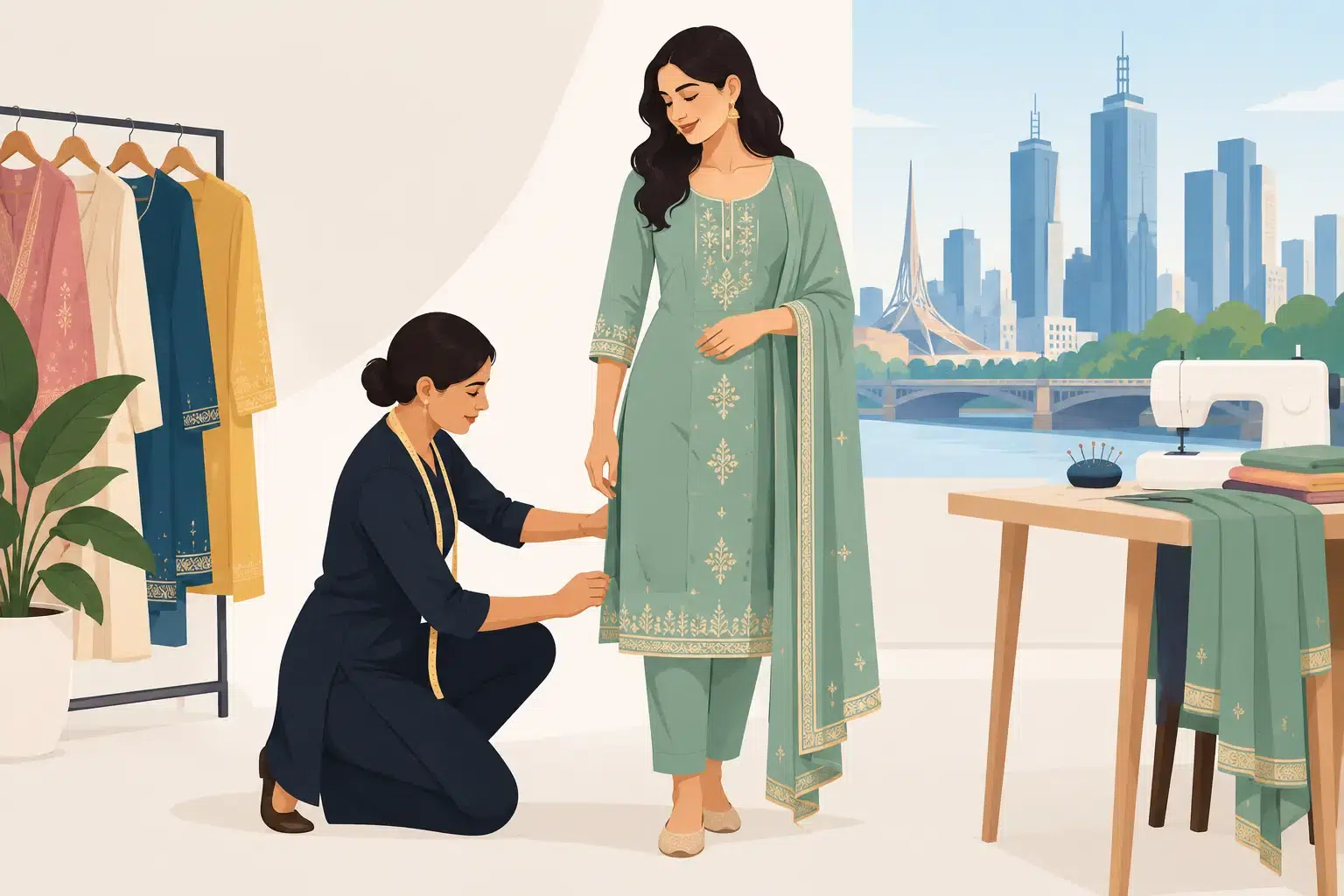
A salwar kameez can be beautifully embroidered, cut from premium fabric, and paired with the perfect dupatta, yet still feel unfinished if the fit is not right. That is why salwar kameez alterations Melbourne shoppers seek are about far more than taking in a seam. The right tailoring lets you move comfortably, sit with ease, and feel polished at every wedding, gurdwara visit, family function, festival, or special dinner.
For South Asian clothing, fit carries its own language. A kameez should skim the body without pulling across the bust or shoulders. Sleeves should sit neatly while leaving room to lift your arms. A salwar or trouser should hold its shape without restricting movement, and a dupatta should complement the finished silhouette rather than overwhelm it. Small refinements can transform a ready-made suit into an outfit that feels chosen especially for you.
Why a Proper Fit Changes the Whole Suit
Ready-made Punjabi and Pakistani suits are convenient, especially when you have found the color, embroidery, or fabric you love. However, standard sizing cannot account for every body shape, preferred silhouette, or occasion. A size that fits well through the shoulders may be loose at the waist. A kameez that looks elegant standing up may feel too tight when sitting through a long celebration.
Tailoring creates balance. It helps the neckline sit flat, keeps the side seams smooth, and ensures the hem falls at a flattering point. With embellished pieces, careful alterations are even more valuable because the work must preserve the embroidery, beadwork, lace, or border detail that makes the garment special.
The goal is not to make every suit skin-tight. Contemporary Punjabi style can be fitted, relaxed, straight-cut, flared, or classically comfortable depending on the design. A well-altered outfit respects the original shape of the garment while making it feel natural on you.
Salwar Kameez Alterations in Melbourne: What Can Be Adjusted
Most adjustments begin with the kameez. Side seams can be taken in or let out when there is enough seam allowance, helping define the waist or create more breathing room. Shoulder adjustments can improve how the entire garment hangs, while sleeve length and width can be refined for a clean finish. A tailor can also shorten a kameez, though the placement of a detailed border or embroidered motif needs to be considered before cutting.
Necklines are another common request. A neckline may be raised for greater coverage, reshaped for a softer look, or adjusted if it gaps or feels restrictive. This work requires a close eye, particularly on net, silk, georgette, chiffon, and heavily embellished fabrics, where every stitch is visible.
For the bottom piece, alterations depend on the style. Straight pants can be tapered, shortened, or adjusted at the waist. Cigarette pants often need a precise ankle length so they look intentional with heels, jutti, or sandals. Patiala salwars have their own proportion and fullness, so changes should preserve the gathered drape that gives them their signature Punjabi character. Palazzo pants and ghararas may also be altered, but hems with wide borders, lace, or heavy work require extra planning.
Dupattas are usually left untouched, yet they can benefit from finishing details. Adding a neat fall, securing loose edging, or adjusting tassels can make a dupatta easier to drape and wear throughout a busy event.
Bring the Shoes and the Occasion Into the Fitting
The best alteration decisions are made with the full look in mind. Bring the shoes you plan to wear, particularly if the suit needs hemming. The difference between flats, Punjabi jutti, and heels can change the ideal length of a kameez or pant considerably.
It also helps to explain where you will wear the outfit. A bridal shower, sangeet, Anand Karaj, Eid gathering, Diwali celebration, or formal reception may call for different levels of ease and structure. If you will be standing for photos, sitting for a meal, dancing, or helping with family hosting duties, your tailor can allow for movement in the areas that matter most.
For daily wear kurtis and simple cotton suits, comfort may be the priority. For party wear, silk suits, or richly embroidered wedding outfits, the focus may be on a more sculpted finish. Neither approach is better. It depends on the garment, your personal style, and how you want to feel while wearing it.
The Fabric and Embroidery Matter
Not every salwar kameez should be altered in the same way. Cotton and linen are generally more straightforward to adjust, while delicate fabrics such as chiffon, net, organza, and georgette demand a lighter touch. Velvet, silk, brocade, and jacquard can show needle marks if seams are moved, so measurements should be checked carefully before any work begins.
Embellished garments add another layer of consideration. If stones, sequins, zari work, or thread embroidery sit close to a side seam or hem, a tailor may need to remove and reapply details by hand. This takes more time, but it protects the finish of the outfit. A rushed alteration can leave a visible gap in the pattern or disturb the fall of the fabric.
There are also limits to what tailoring can solve. A garment that is several sizes too small may not have enough seam allowance to let out cleanly. A heavily embroidered hem may not be easily shortened without changing its design. An experienced tailor will explain these trade-offs honestly and recommend the most elegant option, whether that means a careful adjustment, a styling solution, or choosing a different size.
Timing Matters for Wedding and Festival Season
Do not leave alterations until the day before an event. During wedding season and around major festivals, tailoring appointments can fill quickly, especially for garments with detailed handwork. Booking early gives time for a proper fitting, any required adjustments, and a final check before the occasion.
Ideally, try on your suit as soon as you bring it home. Wear the undergarments you expect to wear on the day, and move around in the outfit. Raise your arms, sit down, take a few steps, and check the garment from the front, side, and back. If something feels uncomfortable at home, it will likely feel more noticeable after several hours of celebration.
A second fitting is particularly worthwhile for bridal wear, formal party suits, and made-to-measure outfits. It confirms that the changes have settled correctly and gives you confidence before the big day.
A More Personal Way to Shop and Stitch
At Punjabi Threads in Thomastown, alterations are part of creating a complete look rather than an afterthought. Whether you are selecting a ready-made Punjabi suit, bringing in a cherished outfit, or choosing dress material for custom stitching, expert guidance can help you match the fit to the fabric, occasion, and silhouette you have in mind.
This is especially helpful when coordinating an entire family for a wedding or religious function. A well-fitted women’s suit, a neatly tailored men’s kurta pajama, and comfortable children’s traditional wear create a polished family look without sacrificing ease. Accessories such as jutti, bangles, and a coordinated dupatta can then add the finishing touch.
What to Ask Before Your Alteration
Before leaving your garment for tailoring, have a clear conversation about the fit you want. Tell the tailor if you prefer a relaxed kameez, a defined waist, fuller sleeves, or room for layering. Ask whether the garment can be let out later, especially if it is for a long event or if your measurements are likely to change.
You should also confirm the timeline, particularly for embroidered or bridal pieces. If you are matching the suit with a specific dupatta, jewelry set, or shoes, bring them along whenever possible. The more complete the picture, the more precise the final result can be.
A beautifully tailored salwar kameez should never make you feel careful about moving through your own celebration. Book Stitching Service early, share how you want the outfit to feel, and let thoughtful alterations give your favorite suit the comfort and elegance it deserves.